To further strengthen the faculty for English-medium instruction in the MBBS program and enhance curriculum development and talent training quality, the International School of Medicine (ISM), Zhejiang University, organized a series of seminars on MBBS basic core curriculum construction from April 28 to June 2. The events were attended by Professor Lou Min, Executive Vice Dean of ISM, members of the teaching supervision group, curriculum directors, faculty representatives, and staff from the Academic Affairs Office and Human Resources Office.
The seminar series was conducted in six sessions, involving 78 participants who discussed the curriculum development of 17 MBBS basic core courses, including physiology, pharmacology, and pathophysiology. Prior to the meetings, Dean Lou Min emphasized that the purpose of these seminars was to gain an in-depth understanding of the current status and developmental challenges of each course, to explore measures for curriculum reform and optimization, and ultimately to improve classroom teaching standards and the quality of international medical talent training. During the sessions, curriculum directors presented on course syllabi, teaching organization, faculty composition, existing challenges, and future development plans. Participating faculty engaged in extensive discussions, drawing on course characteristics, practical teaching challenges, and student feedback, focusing on optimizing teaching content, integrating knowledge systems, reforming laboratory instruction, and enhancing student learning outcomes.
Based on the seminar series, ISM has further clarified the primary issues in curriculum development and identified key priorities for future improvement:
Strengthen collaborative curriculum development: Enhance the integration of basic medical sciences and clinical medicine, refine teaching syllabi, standardize lesson planning, improve course evaluation systems, and continuously elevate the overall quality of curriculum development.
Enhance curriculum team building: Accelerate the recruitment of overseas and young faculty, implement a one teaching assistant per course system, and continuously optimize teaching organization and operational support.
Promote digital and intelligent teaching reforms: Actively foster the deep integration of artificial intelligence with teaching, accelerate the development of smart courses, and leverage digital teaching resources and intelligent platforms to improve teaching efficiency and the student learning experience.
Strengthen international orientation: Align with international medical education standards, continuously refine the English-medium curriculum system and international teaching resources, and enhance students' global competence.
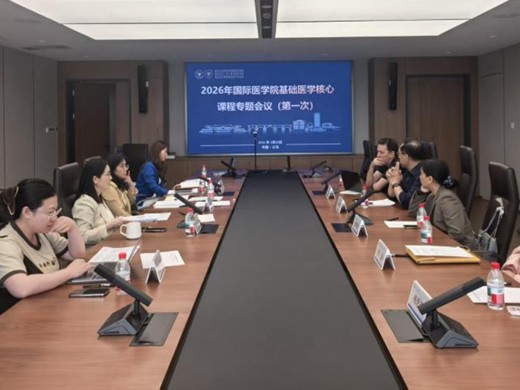
( Curriculum Director Meeting on April 28 )
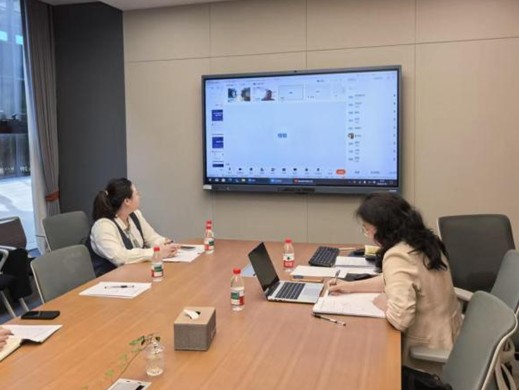
( Curriculum Director Meeting on May 12 )
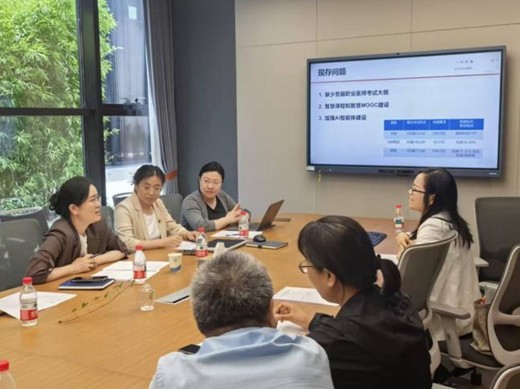
( Curriculum Director Meeting on May 19 (Morning) )
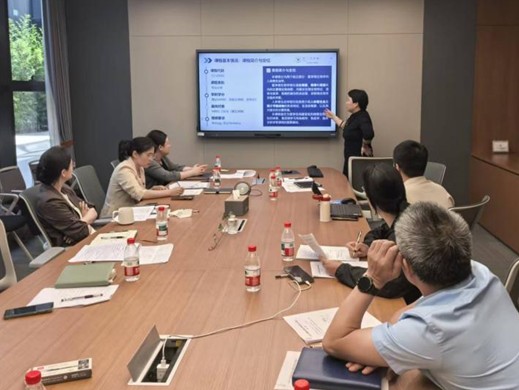
( Curriculum Director Meeting on May 19 (Afternoon) )
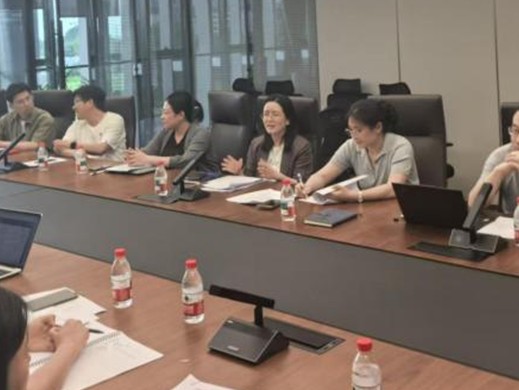
( Curriculum Director Meeting on May 26 )
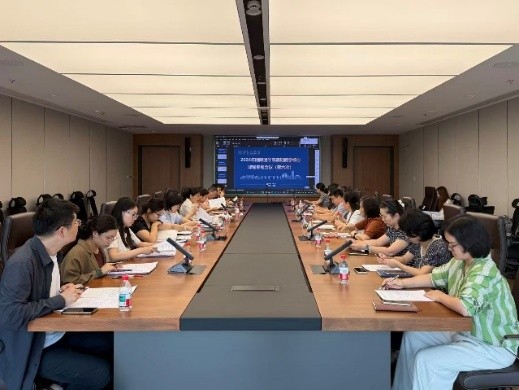
( Curriculum Director Meeting on June 2 )
This series of curriculum construction seminars was highly productive, successfully building consensus and clarifying the direction for future reforms. Moving forward, ISM will use the MBBS program as a primary driver, balancing quality enhancement with innovative reform. By empowering educational transformation through digitalization, guiding curriculum development with international standards, and leveraging unique strengths to build a portfolio of signature courses, ISM will continue to elevate international medical education and contribute to the cultivation of high-quality medical professionals equipped with a global perspective, innovative spirit, and a strong sense of social responsibility.
Written by: Zhao Wenjing
Reviewed by: Hu Xiaoqian
Approved by: Lou Min