Gestational diabetes mellitus (GDM) affects millions of pregnancies worldwide, and its prevalence continues to rise. Beyond short-term risks to mothers, growing evidence suggests that exposure to high blood glucose levels before birth may have lasting consequences for offspring health.
On January 22, 2026, a joint research team led by Academician Hefeng Huang of Zhejiang University International School of Medicine and Researcher Hongbo Yang of the Obstetrics and Gynecology Hospital of Fudan University published new findings in the international journal Journal of Cachexia, Sarcopenia and Muscle (JCSM).
Using a gestational diabetes mouse model and advanced multi-omics approaches, the researchers investigated how intrauterine hyperglycemia affects the development of skeletal muscle, a key tissue responsible for glucose and lipid metabolism. The study found that offspring exposed to high glucose levels in the womb developed impaired muscle function and metabolic abnormalities in adulthood.
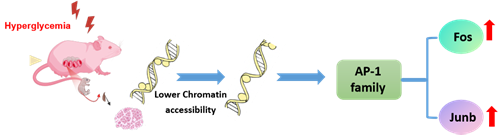
Mechanistic analyses identified the transcription factor AP-1 as a critical molecular regulator linking prenatal hyperglycemia to long-term muscle dysfunction. Further laboratory experiments confirmed that high glucose levels could directly disrupt the metabolism of developing muscle cells.
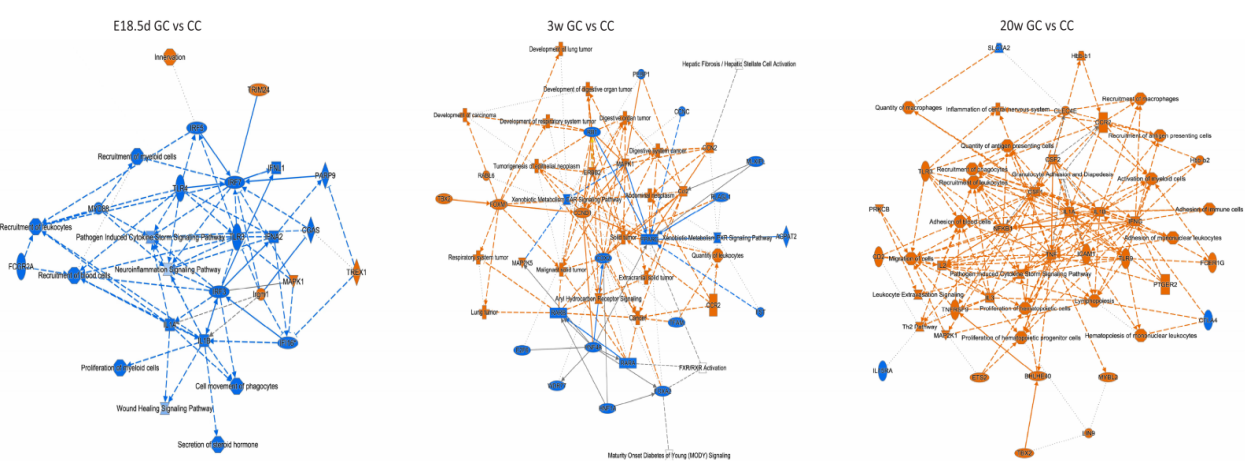
These findings provide new insights into how metabolic conditions during pregnancy can leave a long-lasting biological imprint on offspring health, and point to potential strategies for the early prevention of metabolic diseases in children born to mothers with gestational diabetes.
Link to the full article: