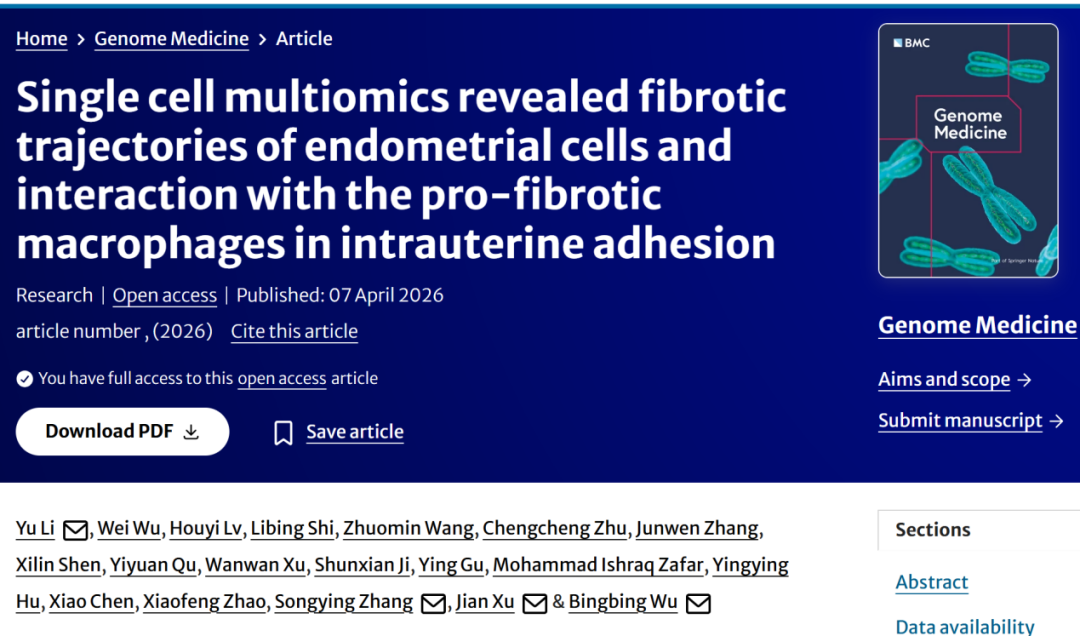
Recently, the team led by Professor Xu Jian and Researcher Wu Bingbing from the Center for Reproductive Medicine at Zhejiang University International Institute of Medicine (ZJU-IIM), published an original research paper in Genome Medicine, titled “Single cell multiomics revealed fibrotic trajectories of endometrial cells and interaction with the profibrotic macrophages in intrauterine adhesion”. The study puts forward a new theory on the multi-lineage cellular origin of intrauterine adhesion (IUA), which not only uncovers the core pathogenesis of the disease but also proposes a targeted new therapeutic strategy, bringing new fertility hope to women suffering from IUA.
IUA is a common reproductive disease among women of childbearing age, mainly caused by damage to the endometrial basal layer due to induced abortion, curettage, infection and other factors. It can lead to endometrial fibrosis, uterine scar adhesion, and further cause infertility, recurrent abortion, premature delivery and other serious reproductive problems. At present, surgical separation is the main clinical treatment, but severe IUA has a high recurrence rate and low clinical pregnancy rate, the core reason of which is the unclear deep mechanism of endometrial fibrosis and the lack of targeted therapeutic means.
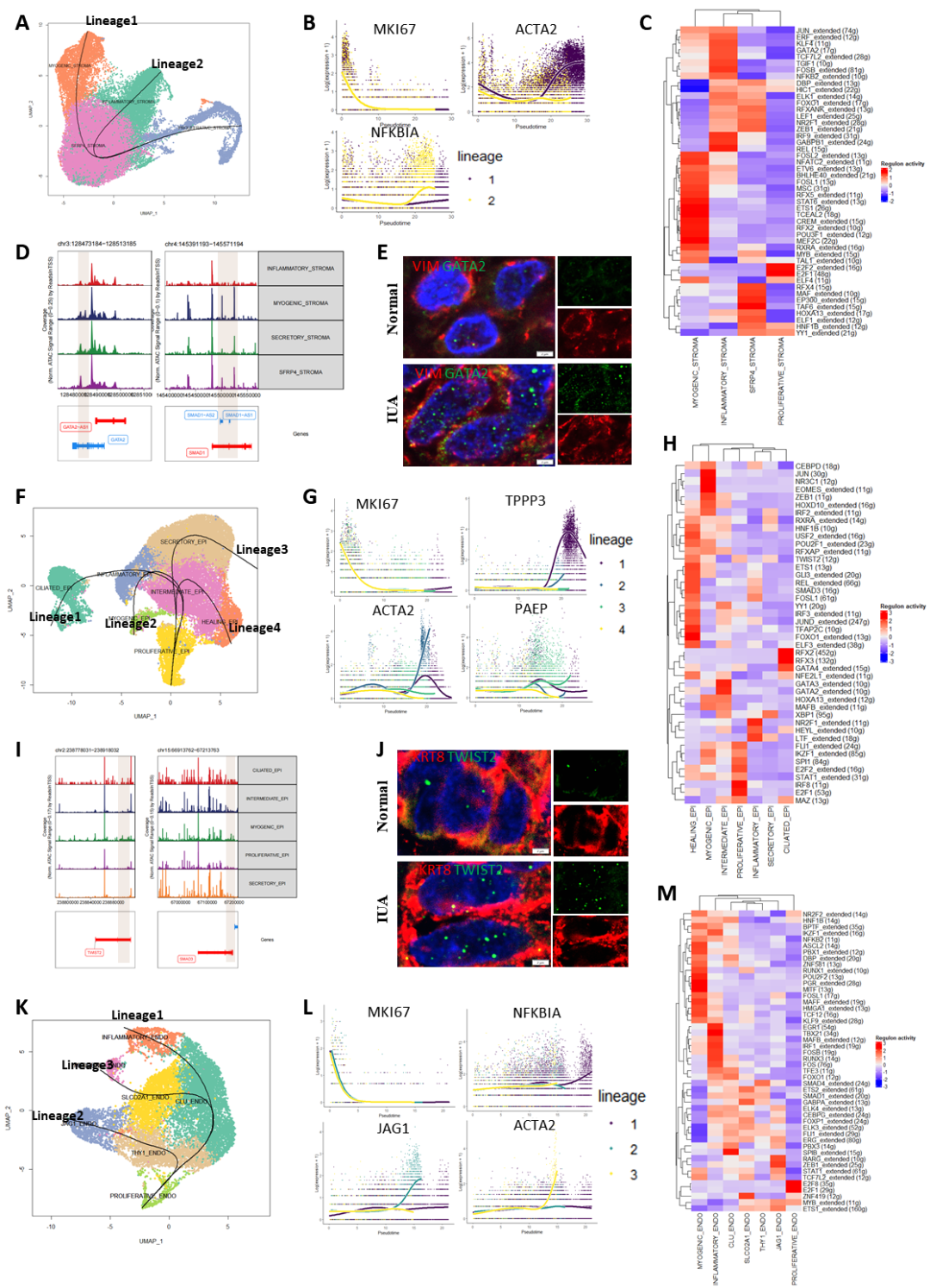
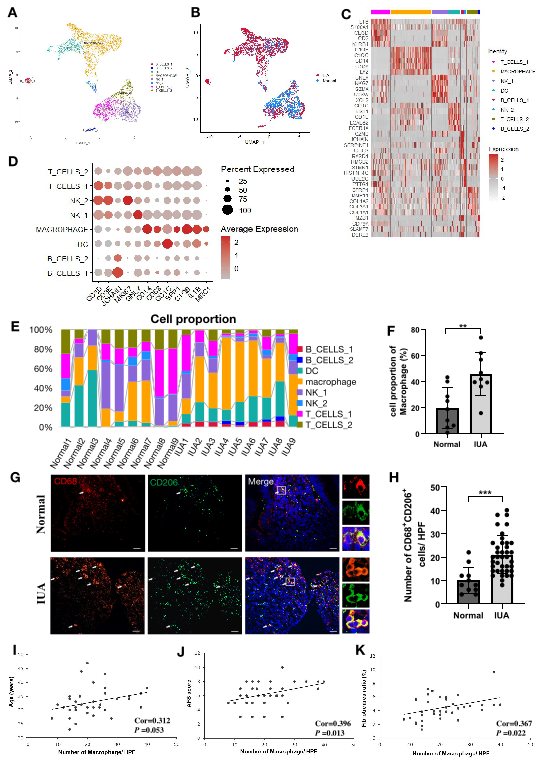
Using advanced single-cell multiomics technology, the team analyzed over 100,000 human endometrial cells and constructed a high-precision IUA single-cell multiomics atlas. They identified two new fibrotic cell types (ACTA2+KRT8+ myofibroblast-like epithelial cells and ACTA2+CD31+ myofibroblast-like endothelial cells) in IUA tissues, which together with classical myofibroblasts drive excessive endometrial fibrosis and adhesion. In additionally, profibrotic macrophages are enriched in IUA endometrium (positively correlated with disease severity) and drive fibrosis via the SPP1/GALECTIN9-CD44 pathway; the team also locked key fibrosis-regulating transcription factors including GATA2, TWIST2 and SMAD1/3.
This research breakthrough breaks through the limitations of previous single-mechanism research, fills the gap in targeted treatment of IUA, provides precise molecular targets and theoretical basis for clinical precise intervention, and has important guiding significance for improving the diagnosis and treatment effect of IUA. The team will continue to deepen research and promote the transformation of results to benefit more patients.
Link to the full article:
https://link.springer.com/article/10.1186/s13073-026-01641-x