The endometrium serves as the critical “fertility soil” for embryo implantation. Endometrial damage caused by surgical trauma and inflammation often leads to impaired regeneneration, fibrosis and thinning, which are major causes of infertility and miscarriage, with few optimal clinical regenerative therapies available.
Recently, the team led by Researcher Wu Bingbing and Associate Chief Physician Chen Xiao from the Center for Reproductive Medicine at Zhejiang University International Institutes of Medicine (ZJU-IIM) published an original breakthrough in Chemical Engineering Journal. The study successfully developed regenerative human endometrial organoids (ERO), which can efficiently repair full-thickness endometrial injury, improve endometrial receptivity and restore fertility in animal models. The achievement also won gold awards at the 10th China Translational Medicine Conference & China Precision Medicine Conference 2025 and the 1st National Postgraduate Academic Innovation and Achievement Transformation Competition.
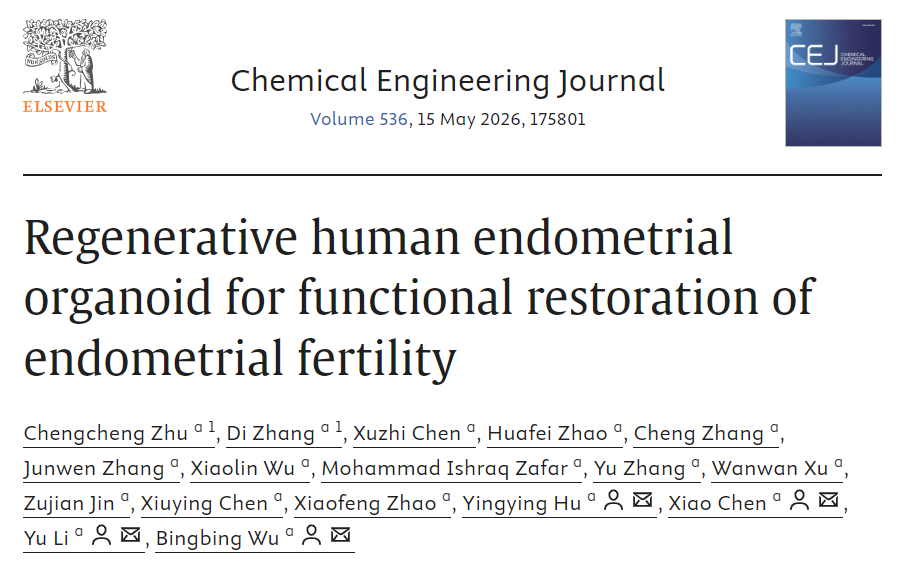
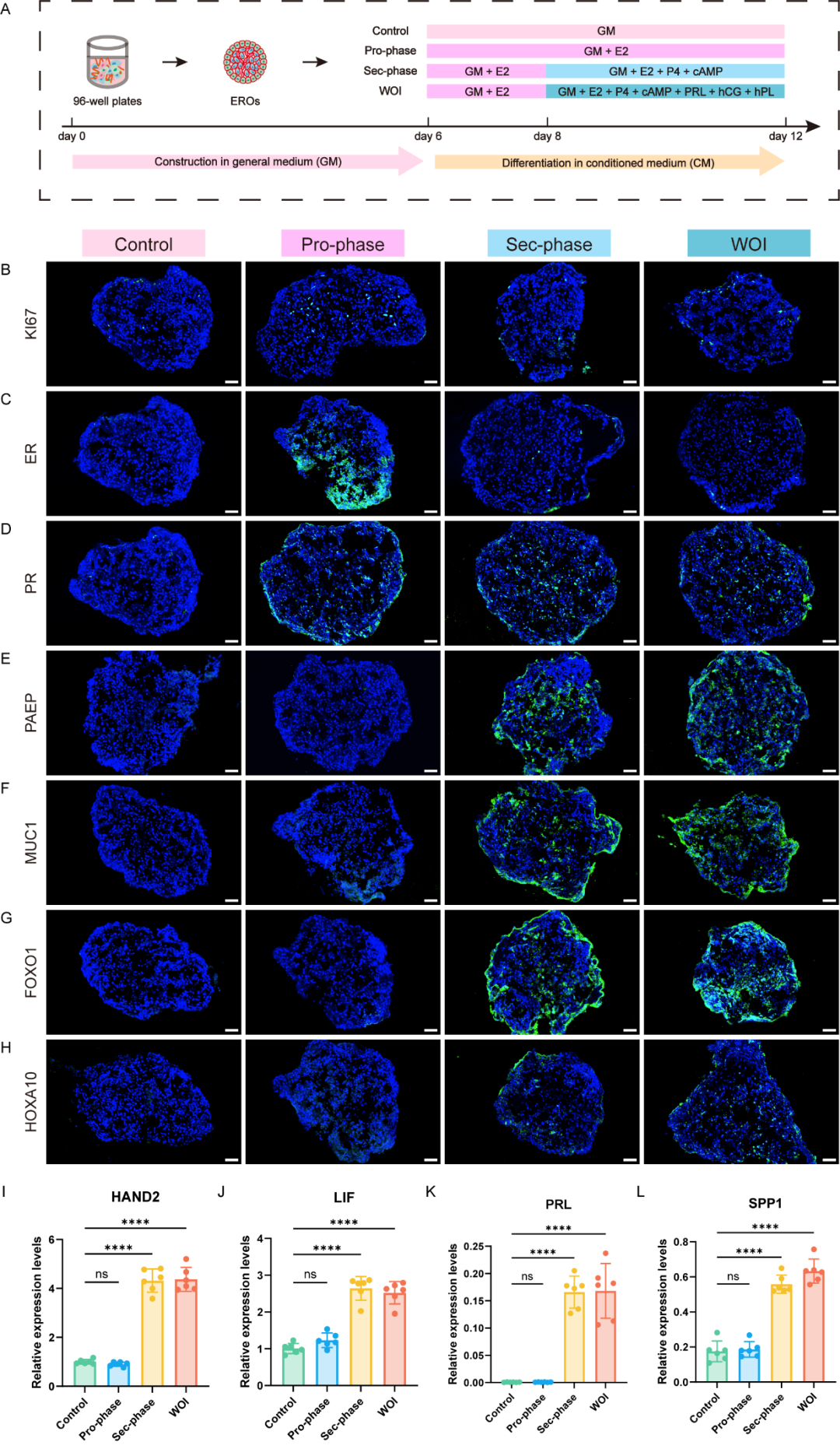
The team established a reproducible, low-cost and scalable ERO system via optimized suspension culture. The generated organoids precisely mimic the three-dimensional structure of native endometrium, simulate hormonal responses across menstrual cycles, and act as a reliable platform for disease research and drug screening. After transplantation, ERO achieves high engraftment and long-term survival, promotes angiogenesis, upregulates receptivity biomarkers,and restores embryonic implantation rate close to normal levels.
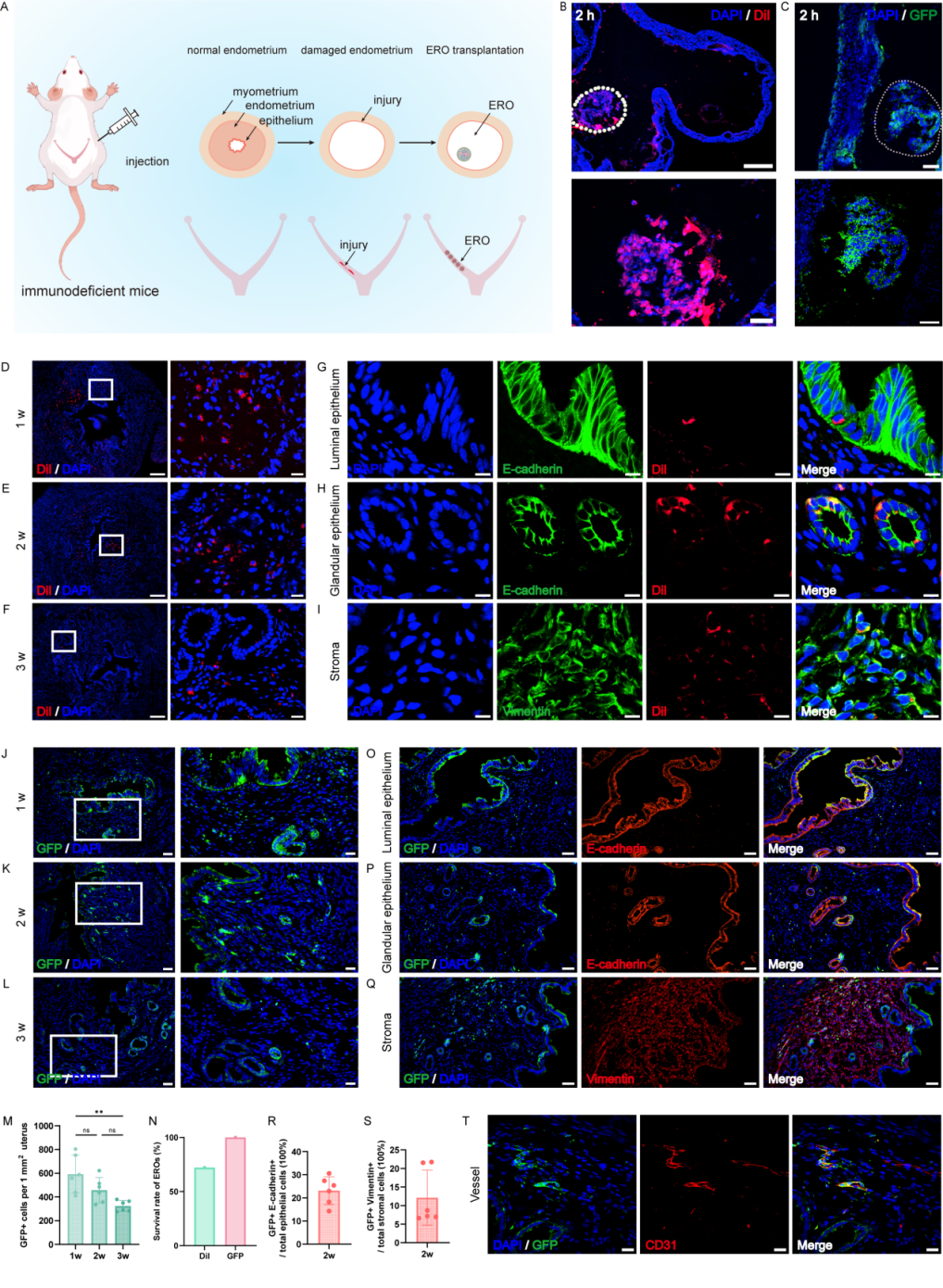
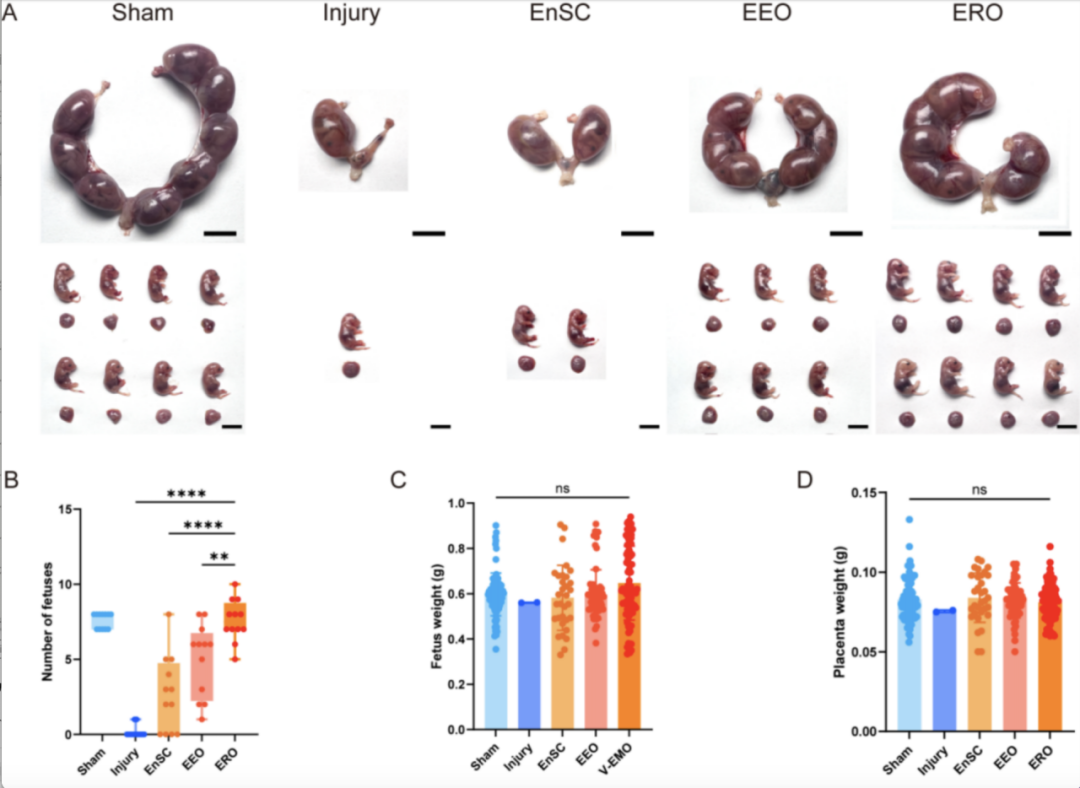
Going beyond the limitations of conventinal regenerative approaches, this study realized the construction and transplantation repair of multicellular, vascularized and functional endometrial organoids. Featuring simple operation, controllable cost and standardized mass production, ERO provides a novel tool for endometrial mechanism research and possesses high clinical translational value. It is expected to treat refractory infertility such as intrauterine adhesions, severe endometrial injury and thin endometrium, bringing renewed hope to millions of infertile patients worldwide and advancing the high-quality development of reproductive and regenerative medicine.
Link to the full article:
https://www.sciencedirect.com/science/article/abs/pii/S1385894726032614