Held in China for the First Time! Experts from 30 Countries and Regions Gather at Zhejiang University
“Chinese medicine has transitioned from a follower to a leader.”
“It is our hope that more people around the world will see, utilize, and benefit from Chinese standards and Chinese technologies.”
“Exchanging ideas with Chinese colleagues is an immense pleasure.”
Recently, the Asia Pacific Medical Education Conference 2026 (APMEC2026) , co-hosted by the Yong Loo Lin School of Medicine, National University of Singapore, and International School of Medicine, Zhejiang University, was held in Hangzhou and Yiwu, China, for the first time. Nearly 1,000 experts and scholars from more than 30 countries and regions, spanning the Asia-Pacific as well as the United Kingdom, Germany, the Netherlands, South Africa, and beyond, convened to engage in in-depth discussions on cutting-edge topics in medical education development and to explore new opportunities for global exchange and collaboration through a rich array of formats—including seminars, roundtable forums, and on-site visits.
Discussing Transformation: AI Empowers Global Medical Development
A striking “innovative technology” was demonstrated on site by Wang Jian’an, Academician of the Chinese Academy of Sciences (CAS) and President of The Second Affiliated Hospital, Zhejiang University School of Medicine. This application of digital twin technology in the medical field effectively compensates for the limitations of traditional imaging examinations, capturing pathological features imperceptible to the naked eye and assisting physicians in making timely judgments during the nascent stages of disease.
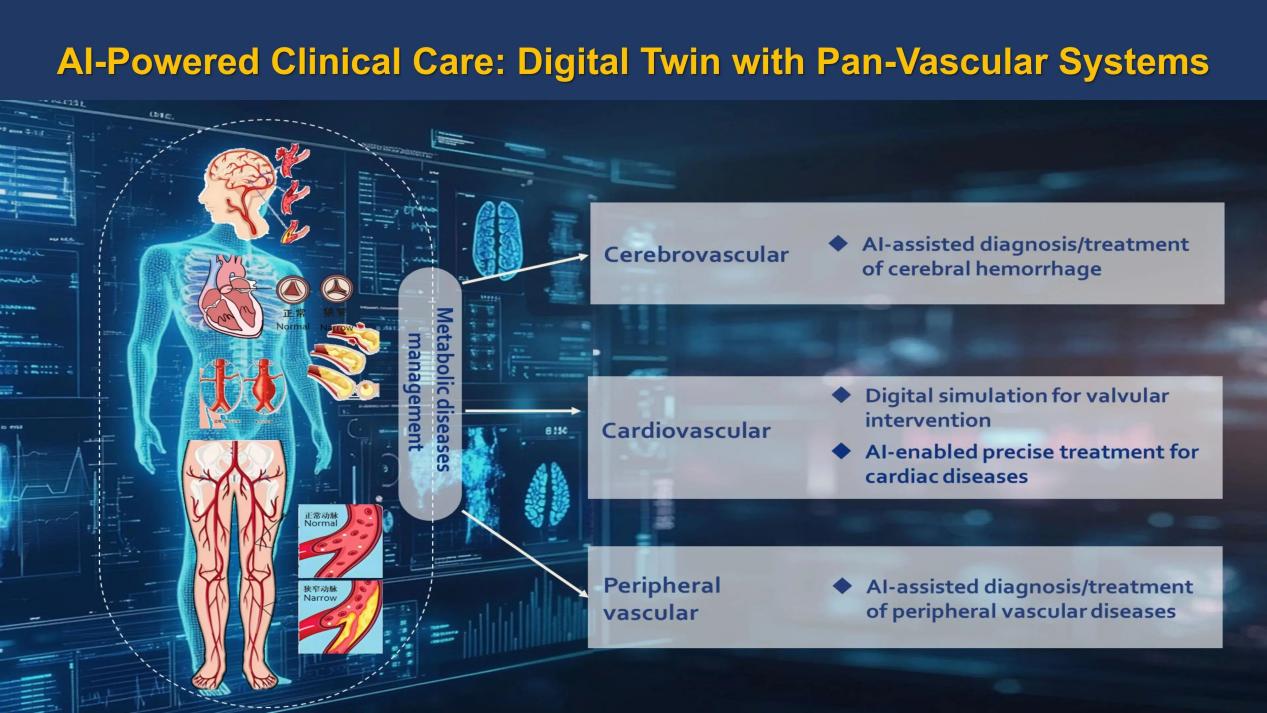
“Twenty years ago, it was primarily Chinese who went abroad to study medicine. Now, thousands of international students come to China annually to pursue medical education. Yet many remain unaware of this transformation. By hosting high-standard international conferences, we aim to expand high-level opening-up in the medical field and enable more people worldwide to see, utilize, and benefit from Chinese standards and Chinese technologies,” said Huang Hefeng, CAS Academician and Director of Faculty of Medicine and Pharmaceutical Sciences, Zhejiang University.
“In the development and application of new technologies, Chinese colleagues have already taken a global lead,” admired Emma Keeling, Vice Dean of the School of Medicine, Imperial College London.
In addition to keynote speeches by academicians and leading experts, the conference featured nearly 100 exchange activities in diverse formats—seminars, workshops, and roundtable discussions. Participants deliberated on key themes such as AI integrated medical education, the integration of clinical practice and research, and faculty development.
Wong Mun Loke, Professor at the National University of Singapore, remarked: “Artificial intelligence holds broad application prospects in education. As medical educators, we must first embrace technology ourselves before we can teach students to use AI responsibly—leveraging AI to enhance efficiency while simultaneously fostering their initiative and creativity.”
Looking Forward to Collaboration: Expanding High-Level Opening-Up in Medical Education
“I was the first American medical student to study in mainland China as an exchange student after the establishment of diplomatic relations between China and the US. I believe the East can learn from the West, and the West can also learn from the East.” Deeply influenced by traditional Chinese medical theories, Eric Eisenberg, Professor at Harvard University, integrates the holistic and preventive perspectives emphasized in Eastern life philosophy into Western modern medical training, developing an innovative health intervention model that combines nutrition, preventive medicine, and behavioral science.
“We look forward to leveraging the conference as a platform to further deepen practical cooperation among countries and institutions in the Asia-Pacific region, promote the sharing of medical education resources, foster inclusive mutual learning among diverse civilizations, and jointly build a closer Asia-Pacific medical education community. This will actively contribute wisdom and strength to safeguarding the life and health of people in the Asia-Pacific and beyond,” stated Li Xiaoming, Vice President of Zhejiang University.
The competency evaluation system for developmental medical undergraduate education, developed by Zhejiang University, garnered significant attention from attendees. The university’s self-developed Qizhen Zhiyi AI platform enables intelligent and precise assessment of student learning. Taking the sandwich-style reverse teaching method for personalized skills training as an example, data show that students’ performance and confidence in various skills have significantly improved after training. Even more encouraging, building upon the Qizhen Zhiyi AI Chinese platform, the international English version—the AISMED platform—is set to be launched soon, further enhancing global connectivity in medical education.
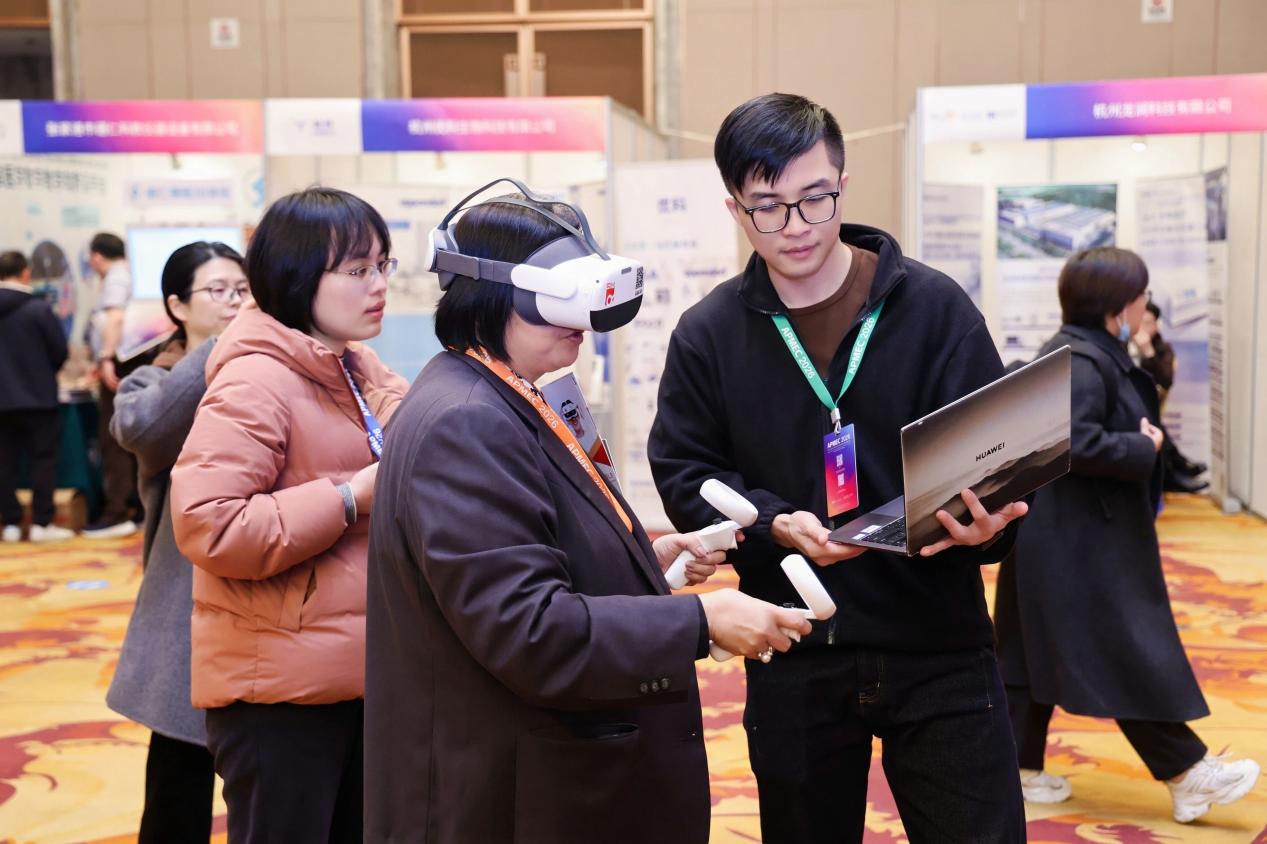
The team from The First Affiliated Hospital, Zhejiang University School of Medicine, demonstrated the application of Augmented Reality (AR) technology in medical education, using the high-risk, highly complex clinical skill of spinal injury transport as an example. In traditional teaching, operational procedures are difficult to visualize intuitively, resulting in high learning costs. Through AR technology, these procedures are presented in three-dimensional visualization, creating an immersive and interactive learning experience.
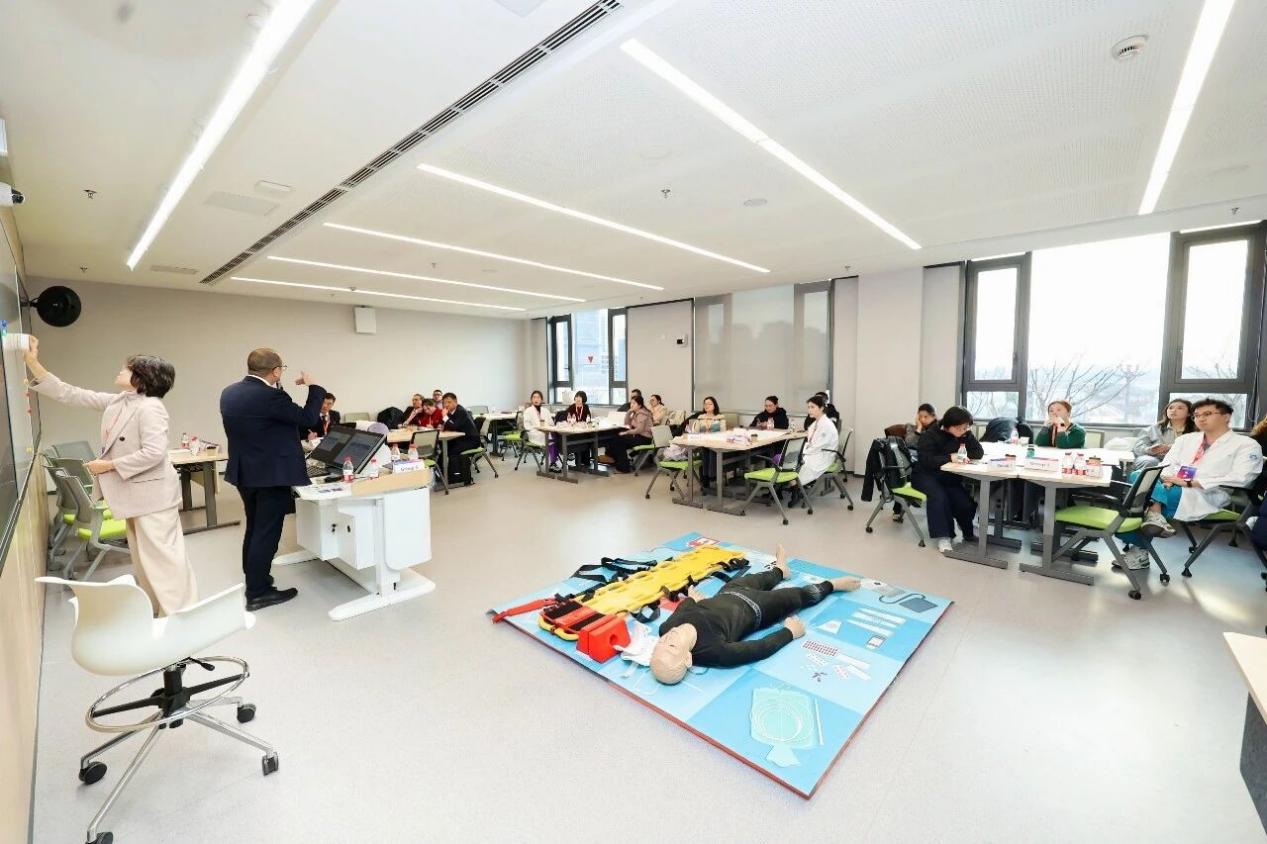
“At this conference, Chinese colleagues presented a wealth of relevant new technologies and achievements, which greatly inspired me. We have excellent prospects for collaboration. This hands-on experience is more direct and effective than reading papers or engaging in online exchanges,” remarked Peter de Jong, President of the International Association of Medical Science Educators.
“China is an emerging powerhouse in medical education. Through APMEC2026, we hope to foster more exchanges and collaborations with Chinese colleagues,” said Dr. Dujeepa D. Samarasekera, Senior Director of the Centre for Medical Education, Yong Loo Lin School of Medicine, National University of Singapore.
Diversity, inclusivity, and harmony in diversity.
It is anticipated that APMEC2026 will serve as a new starting point for Zhejiang University to join hands with global medical partners in jointly exploring the future directions of medical education and collectively addressing global health challenges.