On January 23, 2026, the research team led by Professor Minxin Guan from the Center for Genetic Medicine at Zhejiang University’s International Institutes of Medicine (ZJU-IIM) , published their latest research findings in the prestigious journal Journal of Biological Chemistry (JBC), uncovering the molecular mechanism behind TRMU-related liver injury.
TRMU is a protein encoded by nuclear DNA that plays a crucial role in maintaining normal mitochondrial function. It ensures accurate modification of mitochondrial transfer RNAs (tRNAs), a key step required for proper energy production in cells. Mutations in the TRMU gene have been closely linked to infantile acute liver failure — a life-threatening condition that often strikes in early childhood. However, for years, scientists have not fully understood why TRMU mutations predominantly damage the liver, nor how this knowledge could guide targeted treatments.
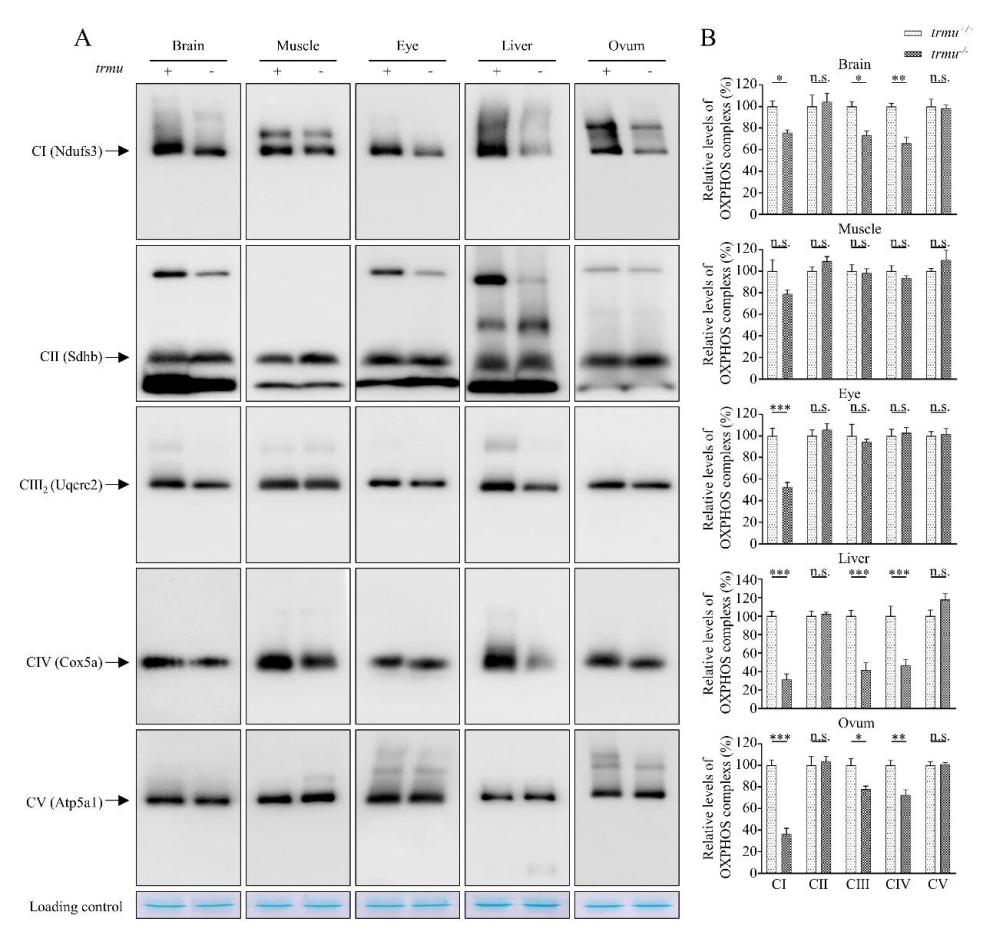
To address this question, Professor Guan’s team developed a trmu-knockout zebrafish model. The modified zebrafish displayed clear liver-specific abnormalities, including fatty liver (steatosis) and enlarged liver (hepatomegaly), closely mirroring clinical symptoms observed in patients.
Further investigation revealed that TRMU deficiency disrupts mitochondrial tRNA metabolism in liver cells, leading to impaired function of the mitochondrial respiratory chain — the cell’s energy-generating system. Importantly, the researchers identified that liver tissue is particularly vulnerable to damage in Complex I of the respiratory chain. This heightened sensitivity to Complex I dysfunction appears to be a key factor driving liver-specific injury.
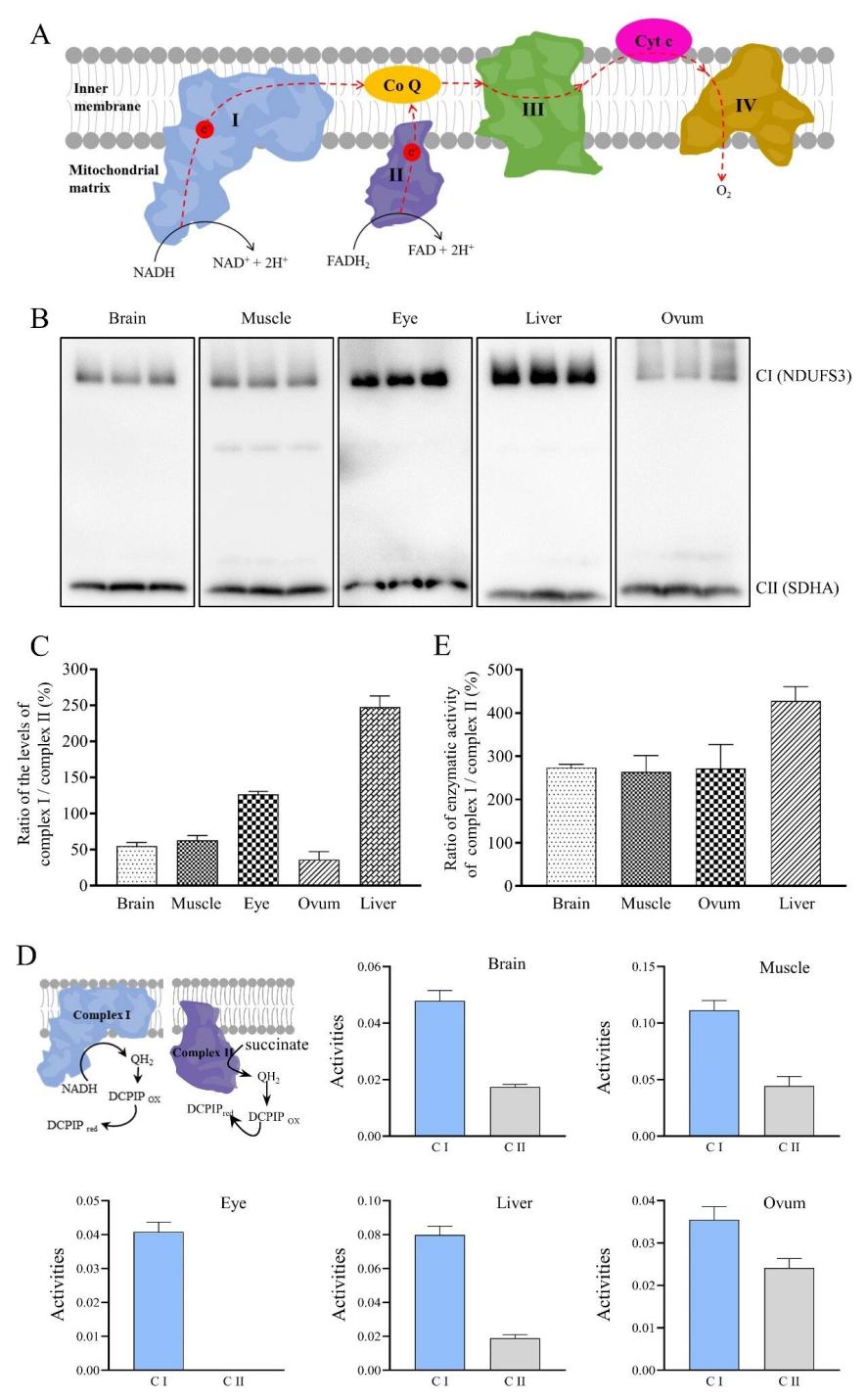
This study provides the first clear explanation of why TRMU mutations selectively affect the liver, filling a longstanding gap in the understanding of this rare but severe mitochondrial disease. The findings not only advance fundamental research in mitochondrial biology but also lay a scientific foundation for improved diagnosis and the development of targeted therapeutic strategies for liver-specific mitochondrial disorders.
Link to the full article: