APMEC 2026 Opens in China for the First Time: Asia Pacific Medical Education Conference 2026 Inaugurated
The Asia Pacific Medical Education Conference 2026 (APMEC 2026) opened on 23 February in Yiwu City, Zhejiang Province. Founded in 2004, APMEC is one of the largest and most influential annual gatherings in the global medical education community. APMEC 2026, jointly hosted by the Yong Loo Lin School of Medicine, National University of Singapore, and the International School of Medicine, Zhejiang University, marks the inaugural holding of the conference in China.
Forging a Collaborative Future in an Open City
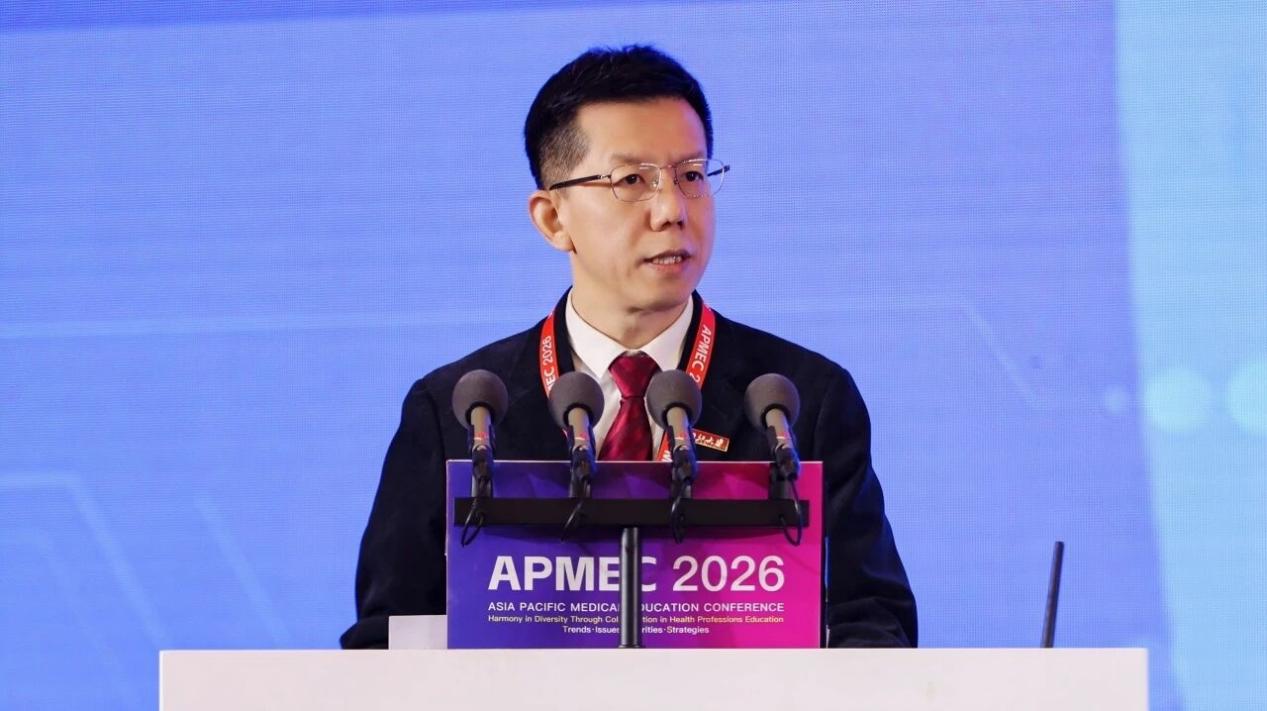
At the opening ceremony, Professor Li Xiaoming, Vice President of Zhejiang University, extended a warm welcome to medical education experts and scholars from around the world. He noted that Zhejiang University and the Yiwu Municipal Government, following their successful collaboration on the Fourth Affiliated Hospital of School of Medicine, Zhejiang University, have once again joined forces to establish the International School of Medicine. This initiative represents an active exploration of a Zhejiang University model for cultivating global medical talents and a concerted effort to create an “international exemplar” for Zhejiang University’s medical education.
He stated that Zhejiang University and the National University of Singapore co-hosting the Asia Pacific Medical Education Conference in Yiwu signifies both a new milestone in their bilateral partnership and a fresh starting point for deepening exchanges and advancing mutual progress within the Asia-Pacific medical education community. It is anticipated that the conference will serve as a nexus to further substantiate practical cooperation among Asia-Pacific countries and institutions, promote the sharing of medical education resources, foster inclusive mutual learning among diverse civilizations, and jointly construct a more cohesive Asia-Pacific medical education community. Through these efforts, it aims to contribute wisdom and strength to safeguarding the health and well-being of populations across the Asia-Pacific region and beyond.
The two Conference Chairs—Professor Huang Hefeng, Academician of the Chinese Academy of Sciences (CAS) andDirector of Faculty of Medicine and Pharmaceutical Sciences, Zhejiang University, and Dr. Dujeepa D. Samarasekera, Senior Director of the Centre for Medical Education, Yong Loo Lin School of Medicine, National University of Singapore—each delivered addresses.
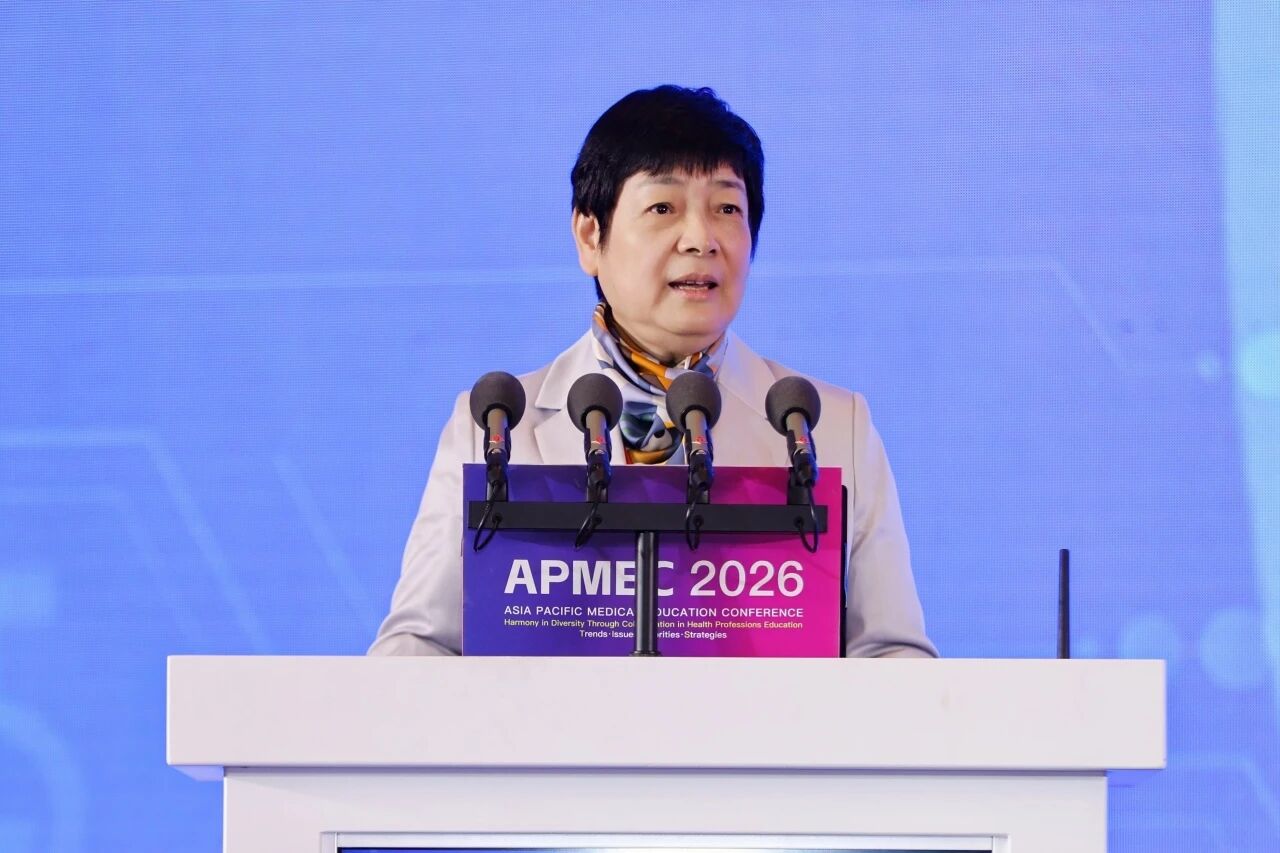
In her speech, Professor Huang Hefeng emphasized that this year’s conference theme—“Harmony in Diversity Through Collaboration in Health Professions Education”—resonates deeply with the philosophy of Zhejiang University.
Medical education, she remarked, is not a static transmission of knowledge but an ongoing dialogue that must respond to global challenges, local imperatives, and technological transformations.
Today, ideas and perspectives from Eastern and Western nations—including China, Singapore, Thailand, Australia, the United States, Canada, and the United Kingdom—converge in one venue. Professor Huang expressed her hope that participants would not merely forge transient academic connections but cultivate enduring friendships, robust networks, and future-oriented collaborative projects. In doing so, they would fulfill the shared mission of medical educators worldwide: to train the next generation of healthcare professionals equipped with competence, compassion, and a global outlook.
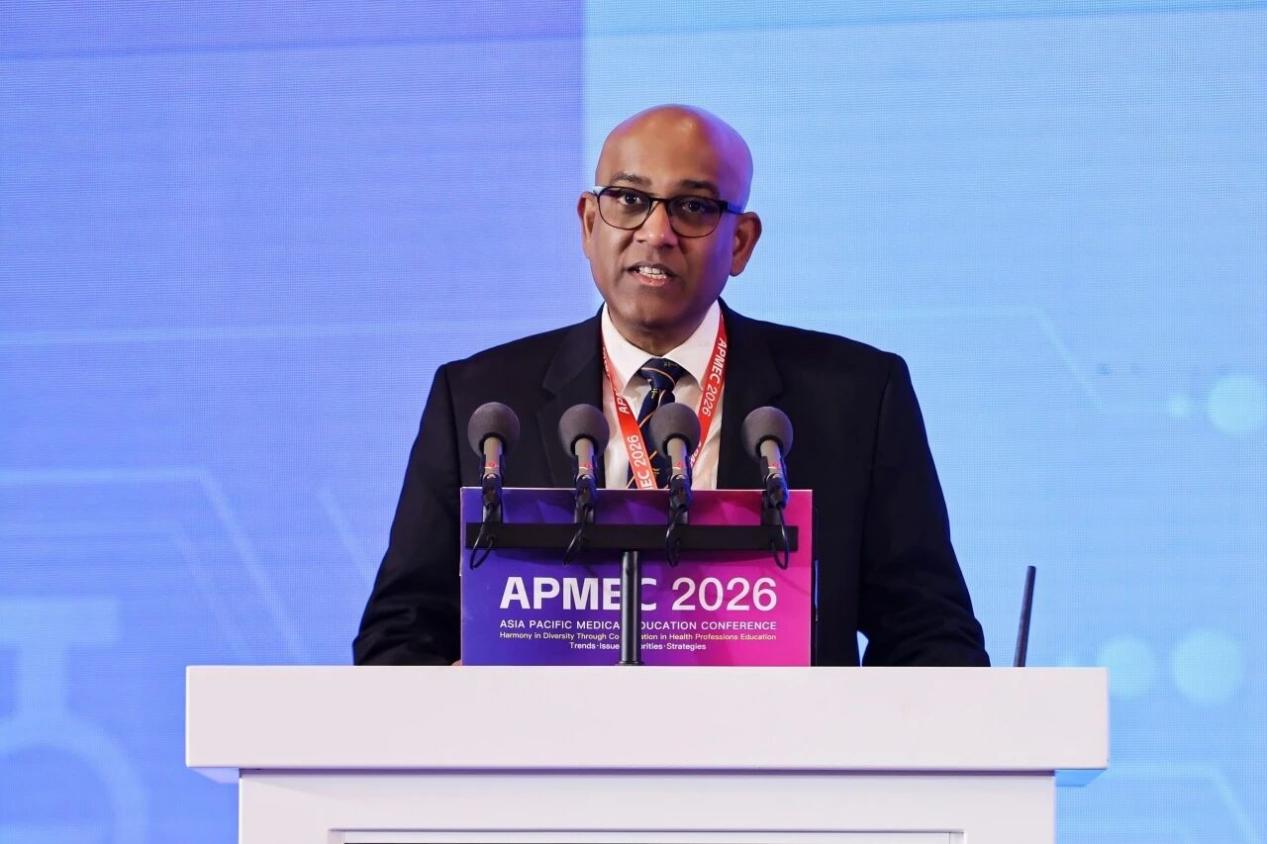
Dr. Dujeepa Samarasekera provided an overview of APMEC 2026. The conference is being held across both Yiwu and Hangzhou, featuring over 140 frontline speakers from medicine and medical education who will share their insights. Distinguished speakers include CAS Academicians Huang Hefeng and Wang Jian’an; Professor Wang Weimin, Chair of the Working Committee for the Accreditation of Medical Education, Ministry of Education, China; Professor Wayne Hodgson, President of the Western Pacific Association for Medical Education (WPAME); Dr. Kathy Chappell, Chief Executive Officer of the American Commission for Collegiate Nursing Education; and Professor David Eisenberg from Harvard University.
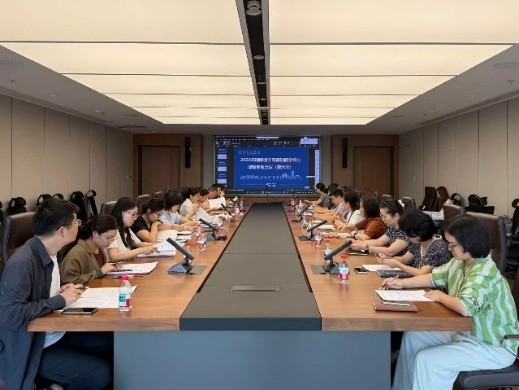
The conference program encompasses nearly 100 exchange activities in diverse formats—thematic forums, seminars, workshops, and roundtable discussions—attracting hundreds of participants from nearly 30 countries. Key discussion topics include AI integrated medical education, the integration of clinical practice and research, and faculty development.
Integrating Eastern and Western Paradigms to Innovate Health Models
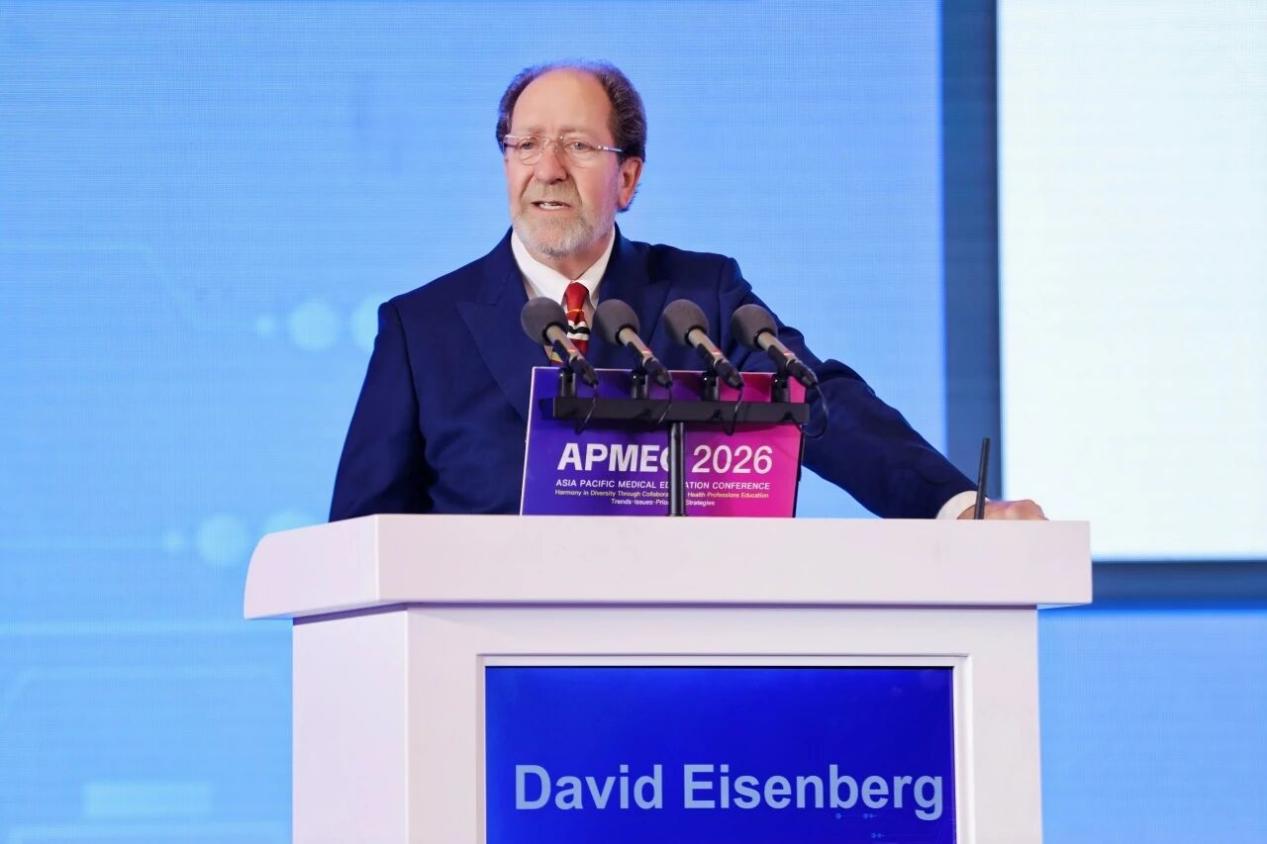
At the opening ceremony, Professor David Eisenberg of Harvard University delivered a keynote address. “I was the first American medical student to study in mainland China as an exchange student after the establishment of diplomatic relations between China and the US. I came to China to study traditional Chinese medicine and integrative medicine. I believe the East can learn from the West, and the West can also learn from the East.” At the outset of his speech, Professor Eisenberg introduced himself in both Chinese and English, resonating with Professor Huang Hefeng’s aspirations.
Traditional Chinese medical doctrines—particularly the Huangdi Neijing (The Yellow Emperor’s Inner Classic)—have profoundly shaped Professor Eisenberg’s philosophy of medical education. The Eastern life philosophy, which emphasizes holism and prevention, stands in stark contrast to and yet complements Western modern medical training. This has driven his sustained commitment to dismantling disciplinary silos and pursuing the most effective pathways toward integration. As a descendant of a family with a rich culinary heritage, he has merged his familial legacy in baking with Eastern and Western medical paradigms to establish the “Teaching Kitchen” collaborative organization. By advocating the strategic concept of the “Teaching Kitchen” as a learning laboratory, Professor Eisenberg champions a transformative approach to training physicians in nutrition-related fields, creating an innovative health intervention model that integrates nutrition, culinary techniques, and behavioral science.
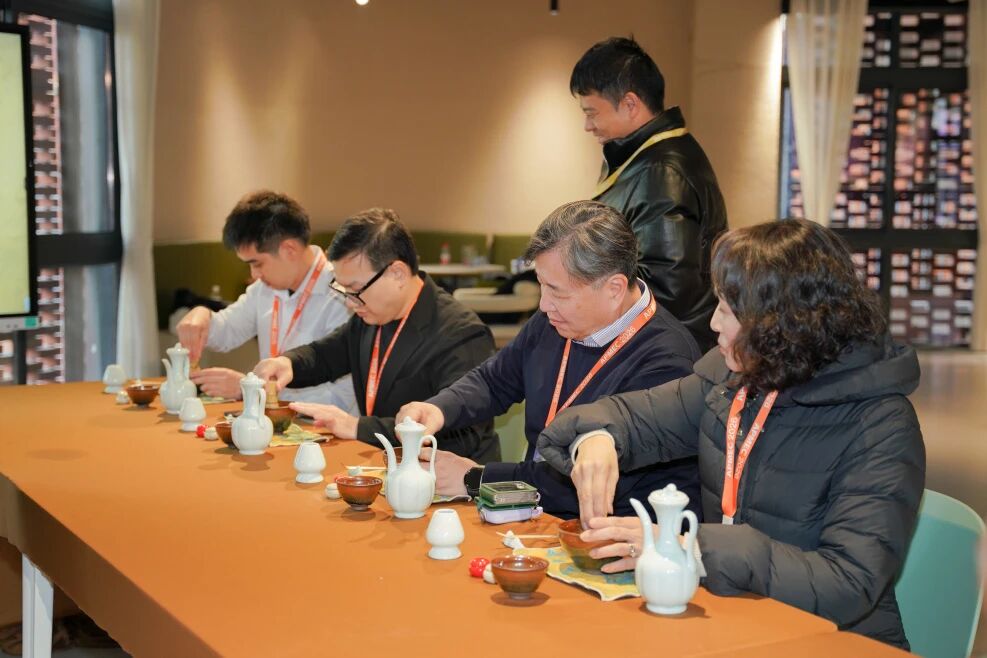
Prior to the opening ceremony and plenary sessions, over 30 international medical education workshops were successfully conducted at the International School of Medicine, Zhejiang University from 21 to 22 January. Visiting delegates also participated in a series of site visits and cultural immersion activities, gaining first-hand insights into China’s medical advancements and experiencing its traditional culture.