Undergraduate students from International School of Medicine,Zhejiang University made their debut at a national-level scientific research forum
On November 15, 2025, the "Second China Residents' Psychological and Behavioral Open Data Exchange Conference and 2025 China Residents' Psychological and Behavioral Survey Research Project Seminar" was held in Yiwu, Zhejiang Province, with more than 200 scholars in the field of health behavior from home and abroad participating. The conference featured a special international youth academic exchange session, where young students from various universities and research institutions presented academic reports. Among them, seven international undergraduate students from the International School of Medicine, Zhejiang University(ZJU-ISM)introduced their respective psychological and behavioral research projects.
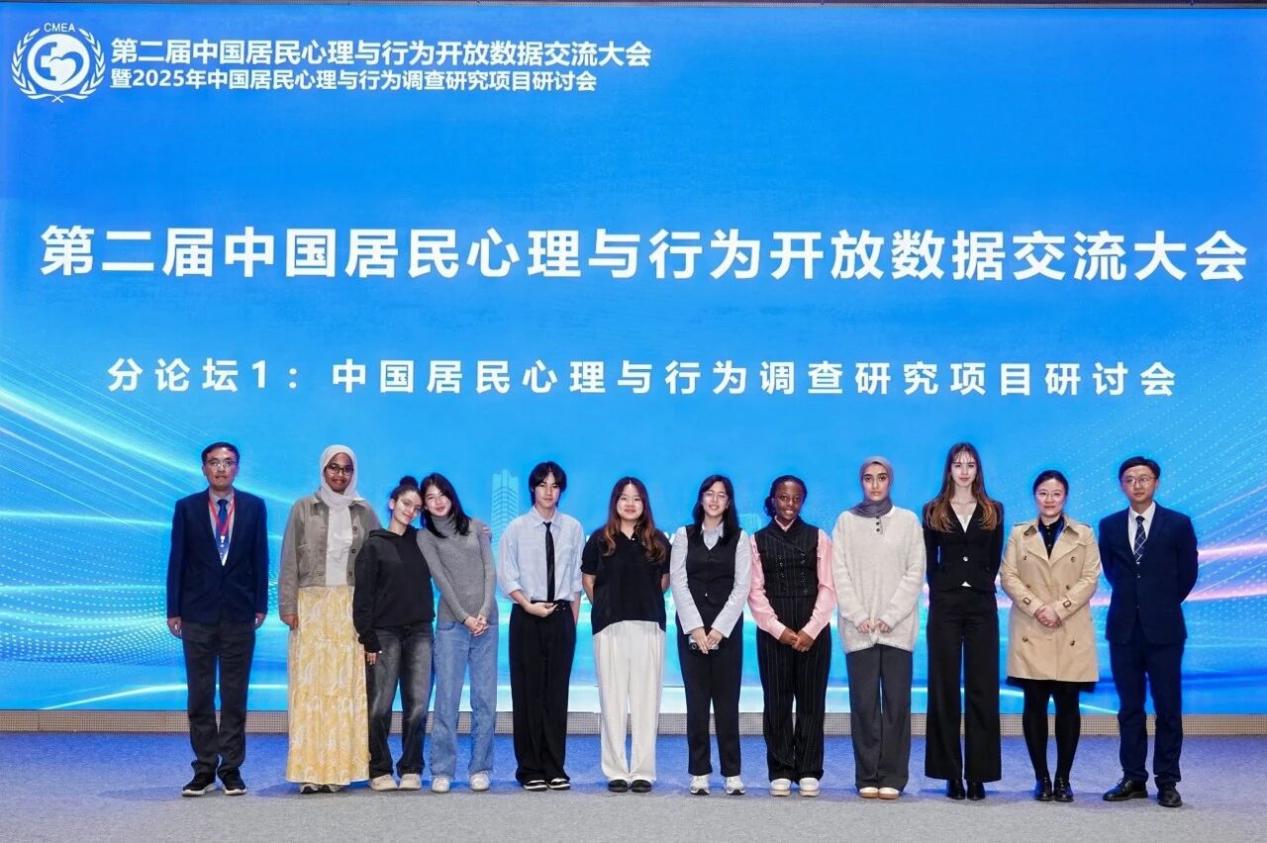
▲Group photo of international youth participating in the exchange
Michelle Giovanni Liem from Indonesia has innovatively combined the traditional Chinese medicine concept of "body-mind balance" with modern medical PPG microvascular reactivity measurement technology to propose the academic question of whether subclinical emotional states such as loneliness and emotional numbness can predict microvascular dysfunction in young people. She plans to use an interdisciplinary approach to uncover early psychological warning signals for cardiovascular disease. This research idea stems from the internship opportunities provided by the college in a traditional Chinese medicine clinic, dental clinic practice, and volunteer service, which deepened her understanding of the "body-mind unity" medical concept through practical experience.
Michelle noted that the biggest challenge in her research was determining a clear research direction at the beginning of her studies: psychology and cardiovascular science both involve a wide range of fields, and she gradually clarified her research focus through extensive literature review and continuous discussions with her supervisor. "Standing on the international academic stage this time is not only an honor, but it also makes me more aware of my role as a medical student and future researcher in global medical dialogue. Through this presentation, I am more confident and more willing to step out of my comfort zone and exchange and collaborate with researchers from different fields," said Michelle.
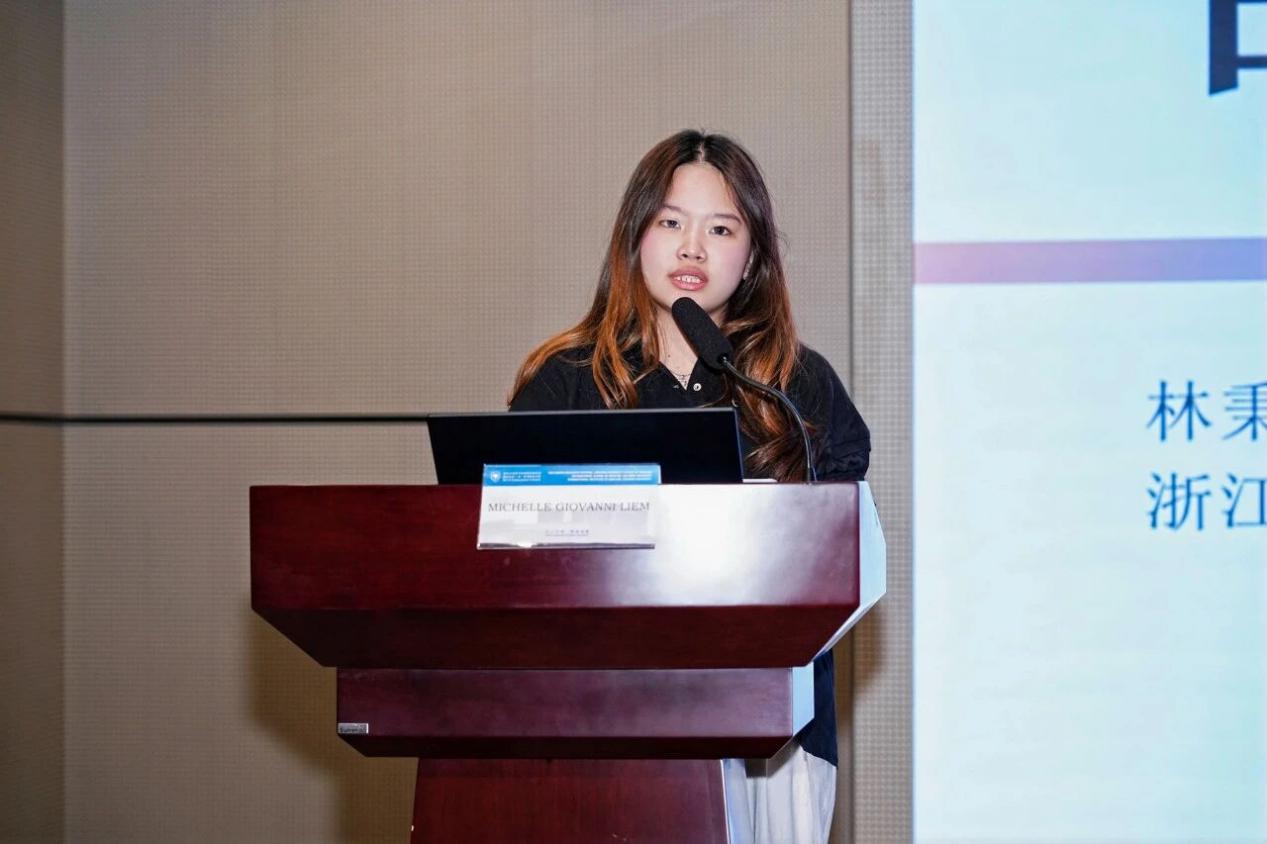
▲Michelle's report
Gloria Craciun, from Romania, shared her profound reflections on how science can alleviate human suffering, drawing on her clinical experience in cardiovascular disease and observations of doctor-patient communication. Gloria stated that she initially had only scattered ideas upon entering university, but with the guidance of her research mentor, her research focus gradually became clearer: "From the very beginning, the college assigned each undergraduate student a dedicated research mentor, providing precise guidance during the crucial initial stages of research. From clarifying research directions to sharing scientific research thinking and methods, the mentors' guidance laid a solid foundation for our subsequent research."
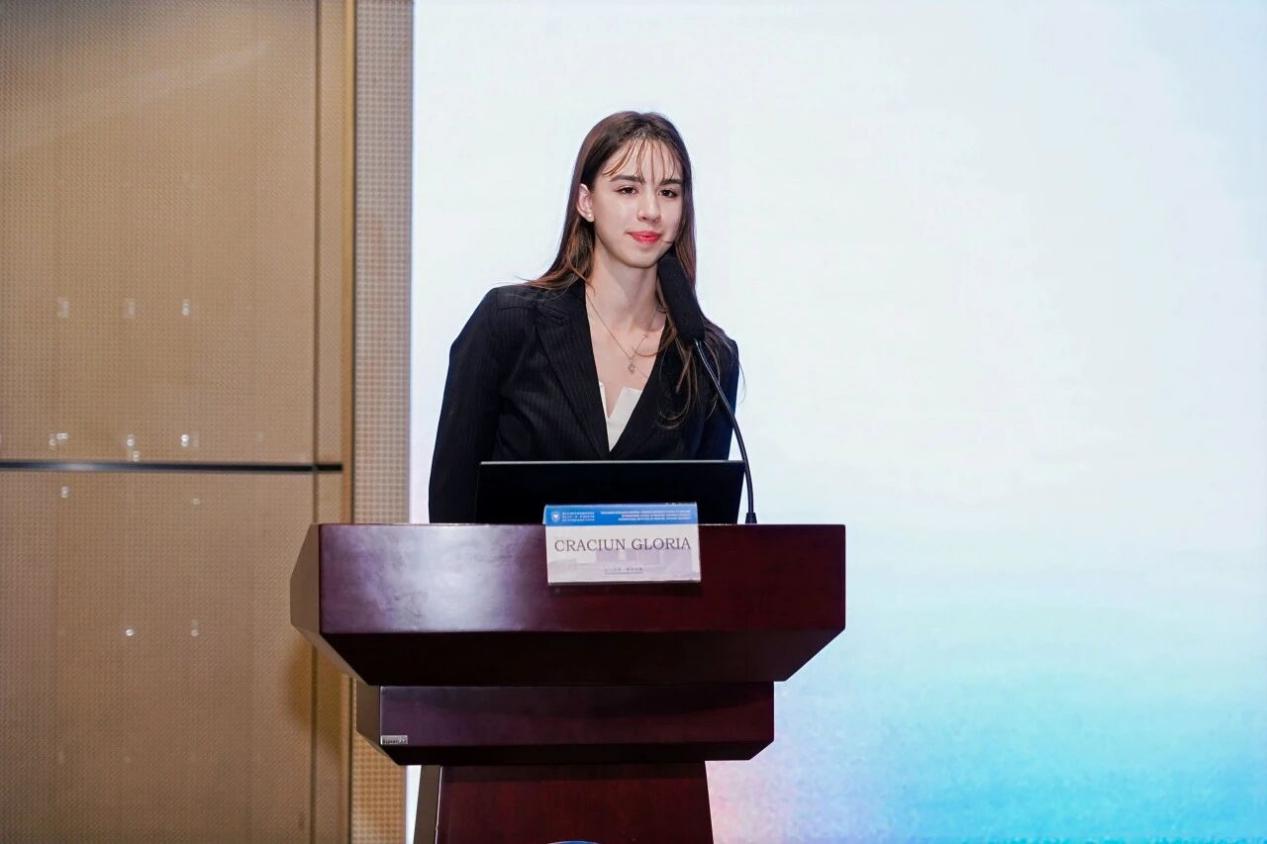
▲Gloria's report
Several other students reported on their respective research topics. Naledi Djiogo Kamgna Njampou from Cameroon focused on the intrinsic link between inflammation and depression, proposing that long-term inflammatory activation may cause the body to fall into a state of sick behavior.
Peerapol Chittirungsan from Thailand shared her insights on the relationship between psychological stress and the effectiveness of cell therapy. Drawing on her experience of submitting a proposal to the Thai National Assembly on "Improving the Mental Health of Thai Youth," she explored the core idea that "medicine should not only treat the body but also care for the mind."
Kwanjira Toncharoenpong from Thailand explored the intertwined hopes and fears of patients in their treatment choices through qualitative research, providing a new dimension of thinking for the practice of humanistic care in medical decision-making.
Nicole Bernadette Yu from the Philippines confronts global health challenges head-on, focusing on metabolic syndrome, which affects a quarter of adults. She explores the role of psychological intervention in the long-term management of the disease, addressing the pain point of the "stress-diet" vicious cycle.
Alsurmi Hebat from Yemen analyzed the current state of artificial intelligence applications in emotional support, highlighting its advantages of convenience and low cost, while also pointing out problems such as the lack of real interpersonal connections, potential algorithmic bias, and privacy risks.
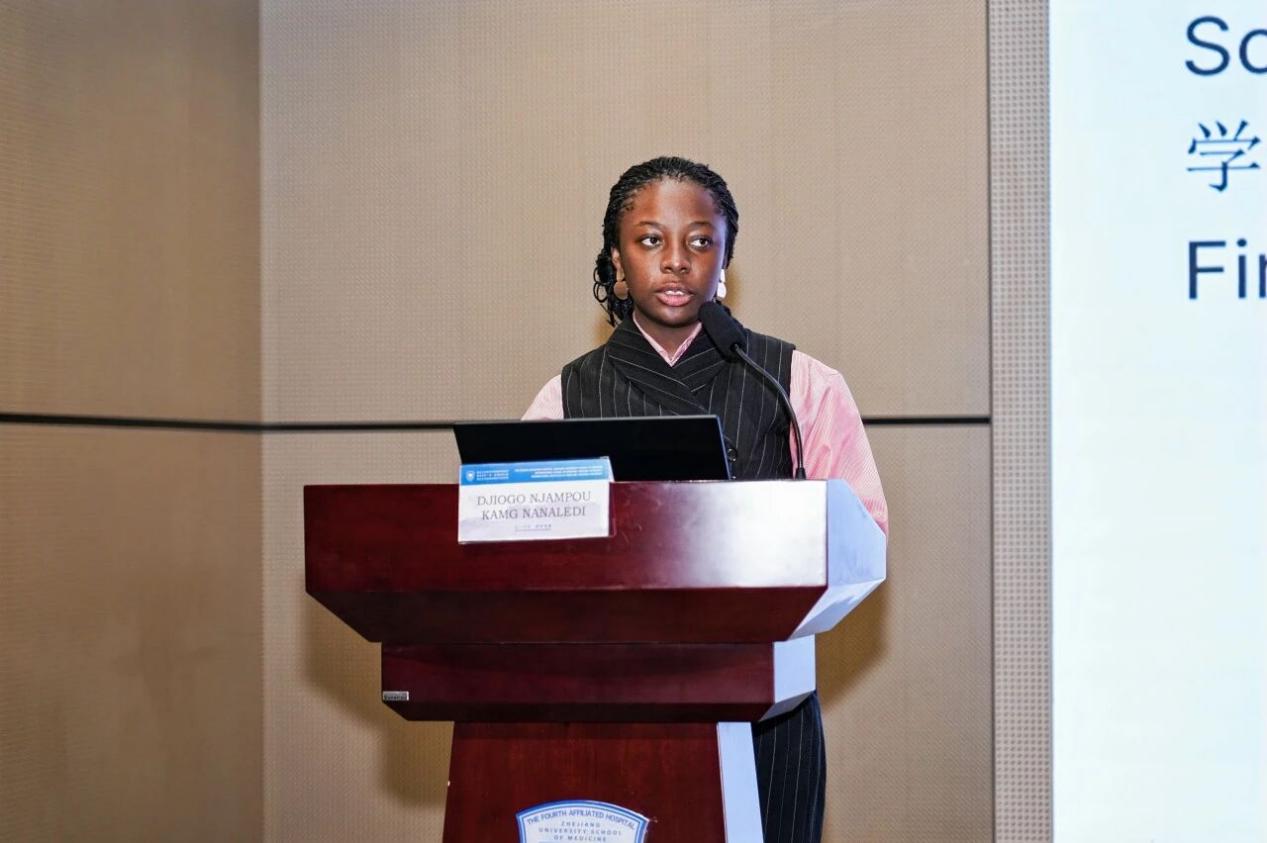
▲Naledi’s Report
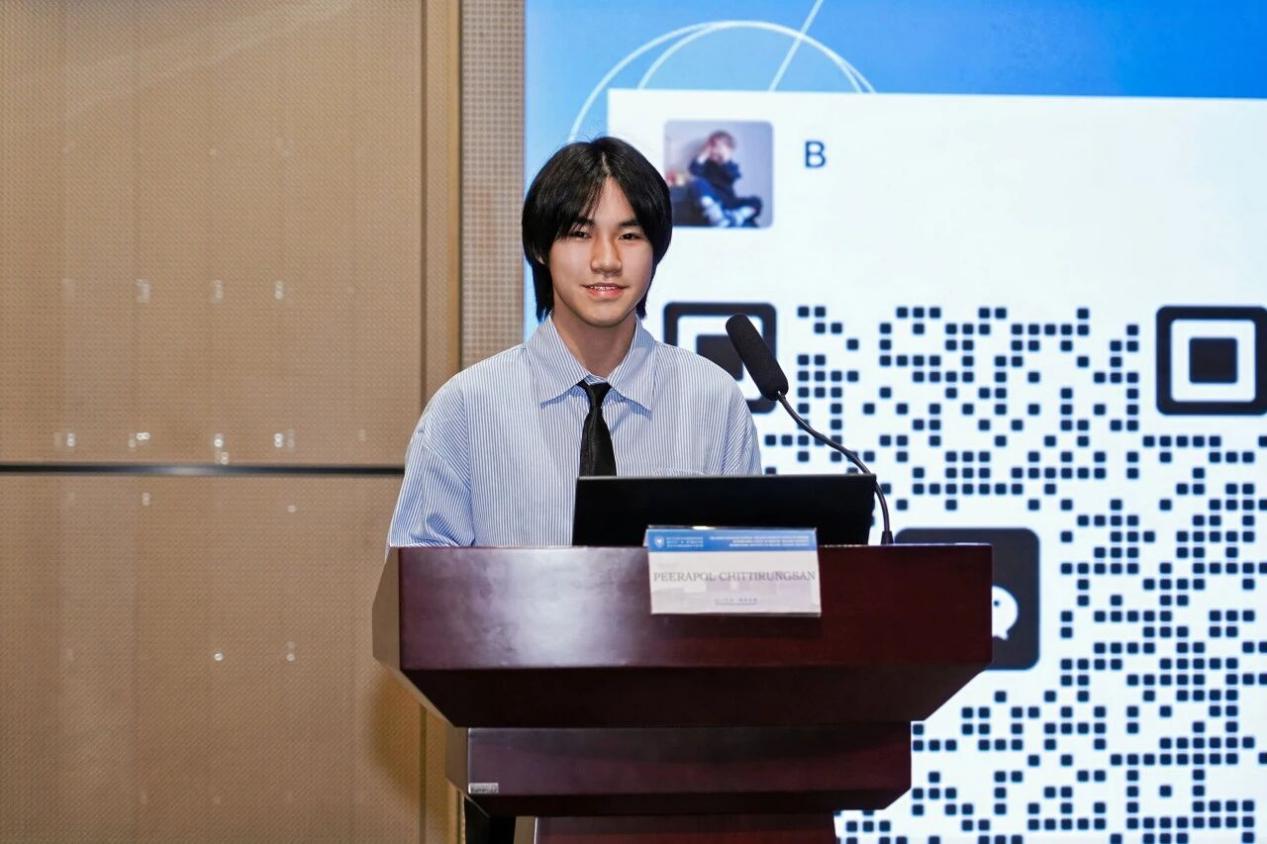
▲Peerapol’s Report
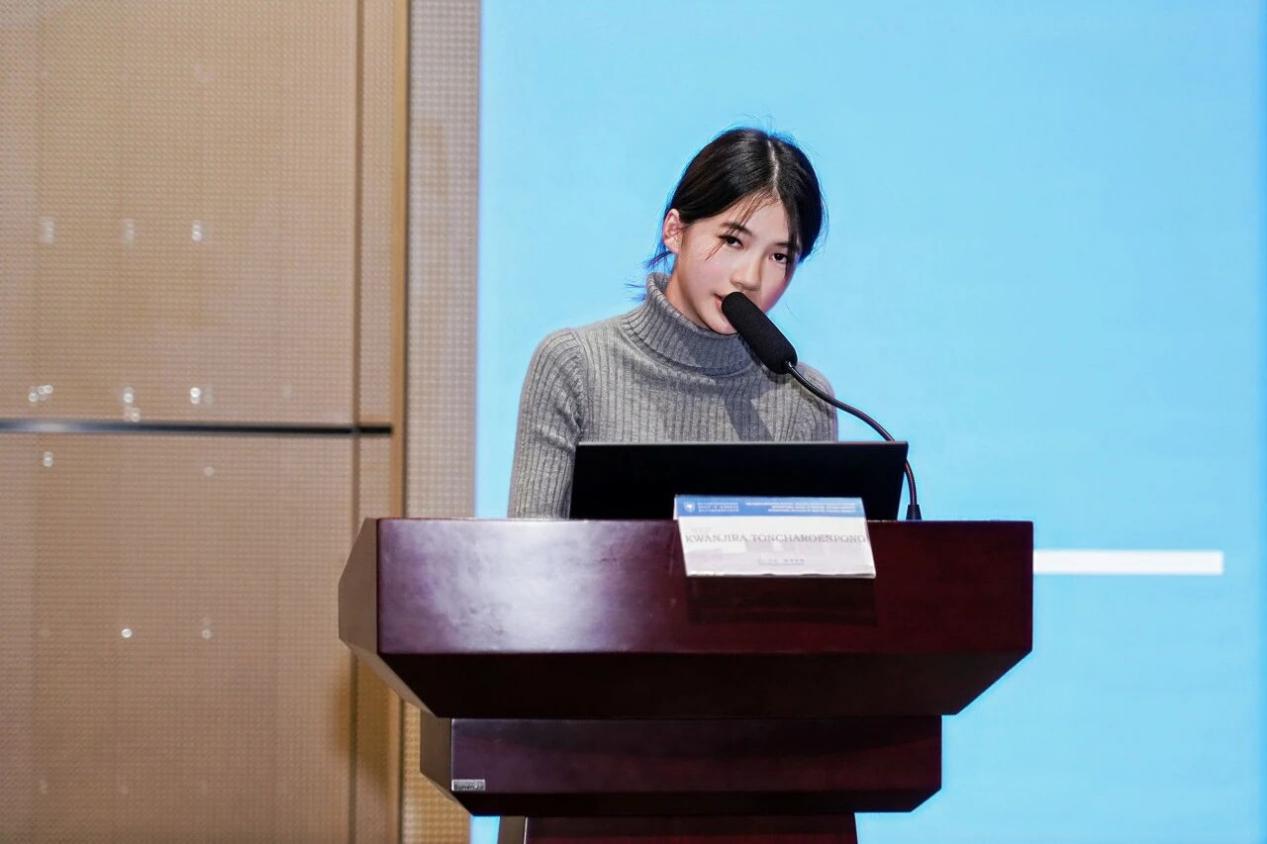
▲Kwanjira’s Report
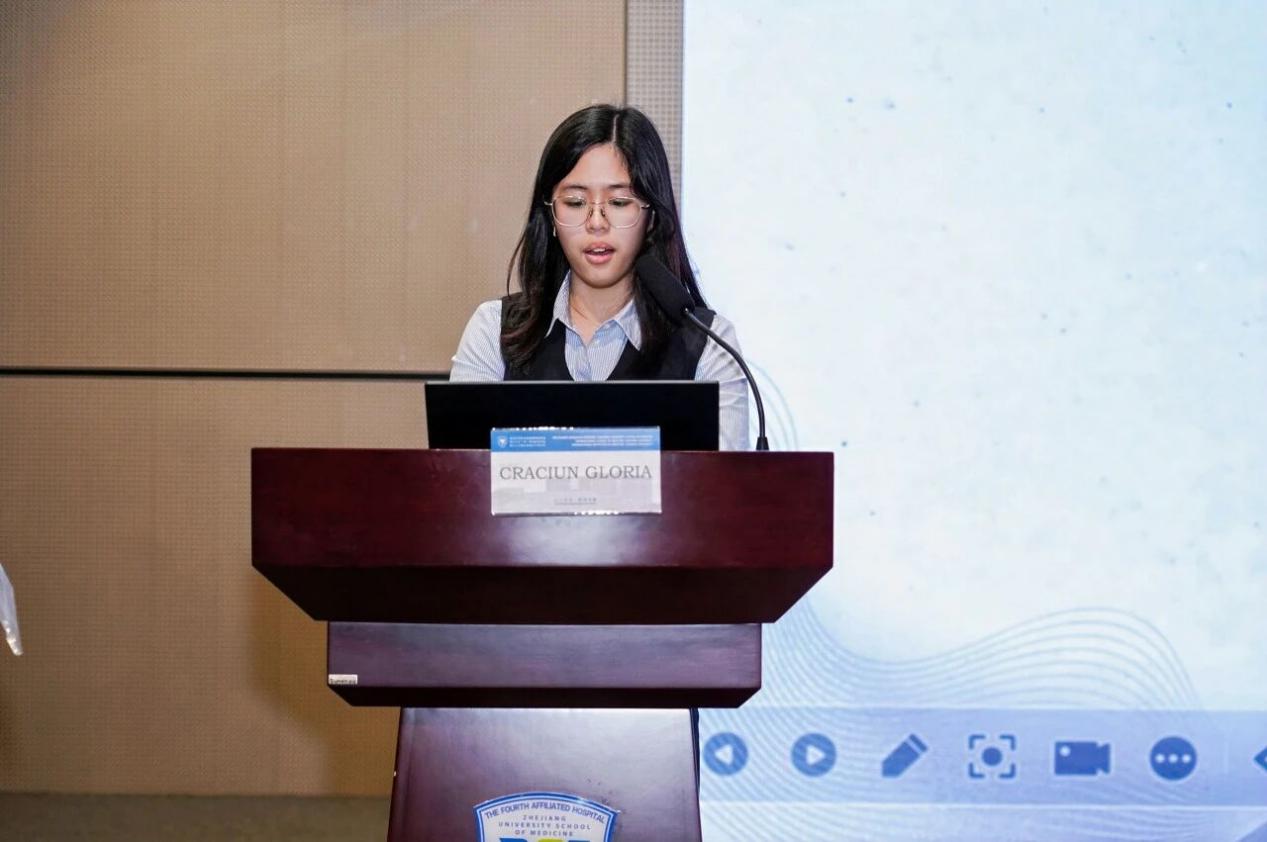
▲Nicole’s Report
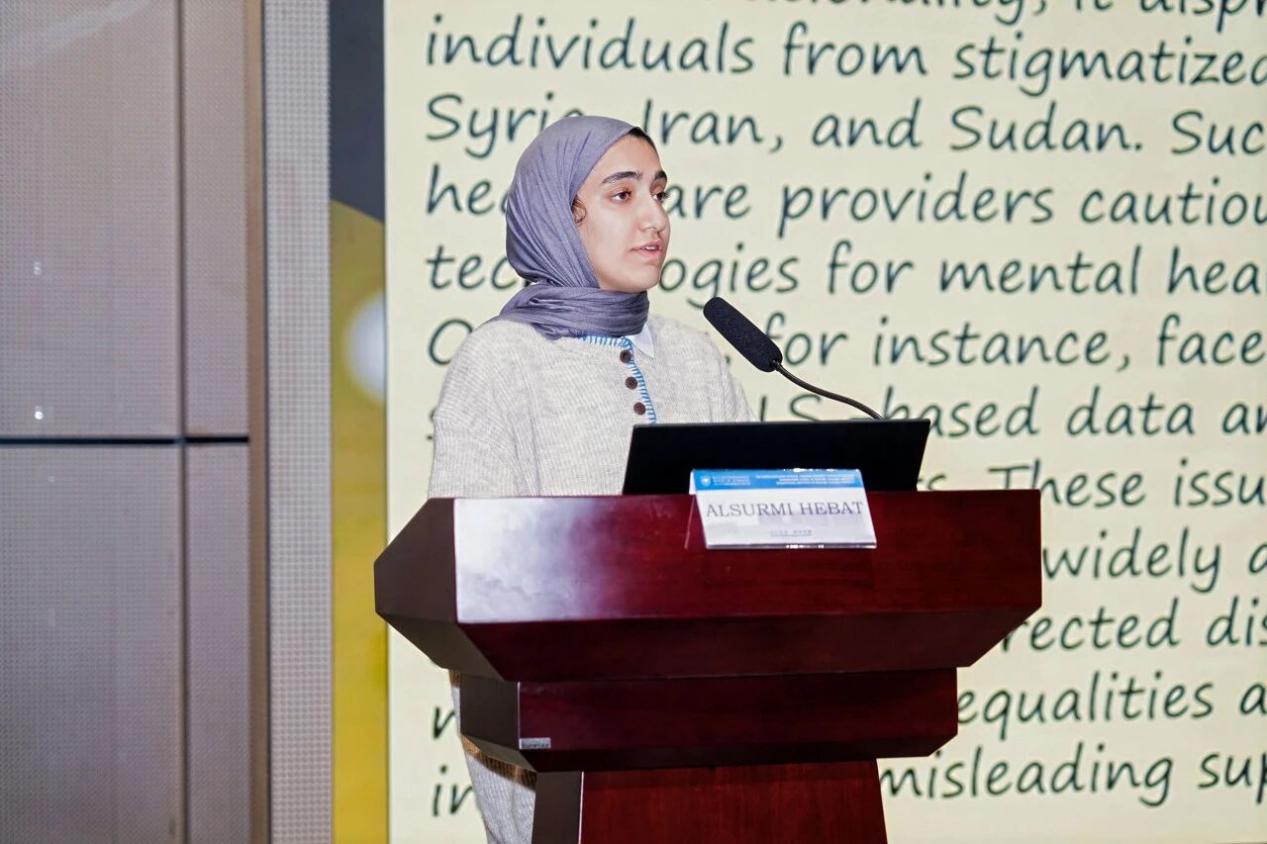
▲Alsurmi’s Report
Professor Jiang Feng, Assistant Dean of the Yangtze River Delta Institute of Health at Shanghai Jiao Tong University, highly praised the exchange and sharing among international young scholars. He pointed out that these studies not only demonstrated solid academic foundations, but more importantly, the cross-cultural comparative perspectives brought by the young scholars provided valuable clues for understanding the universality and cultural specificity of psychological and behavioral factors. Professor Jiang believes that this exploration, which integrates multidisciplinary methods from medicine, psychology, and public health, is of great value in promoting globally significant health policy research and clinical practice innovation, and represents a very promising direction for future academic cooperation.

▲ Jiang Feng's speech
Researcher Xu Xiaoming, Deputy Director of the International Affairs Department of ZJU-ISM, highly praised the participants' performance. She explained that the dual-mentor system (clinical and research) is a distinctive feature of the MBBS program at Zhejiang University's International Medical School. From the beginning of their studies, each student is assigned a dedicated research mentor to guide them in conducting research based on their interests. The school will continue to optimize the research mentor system based on feedback from faculty and students, providing stronger support for the growth of young talents.
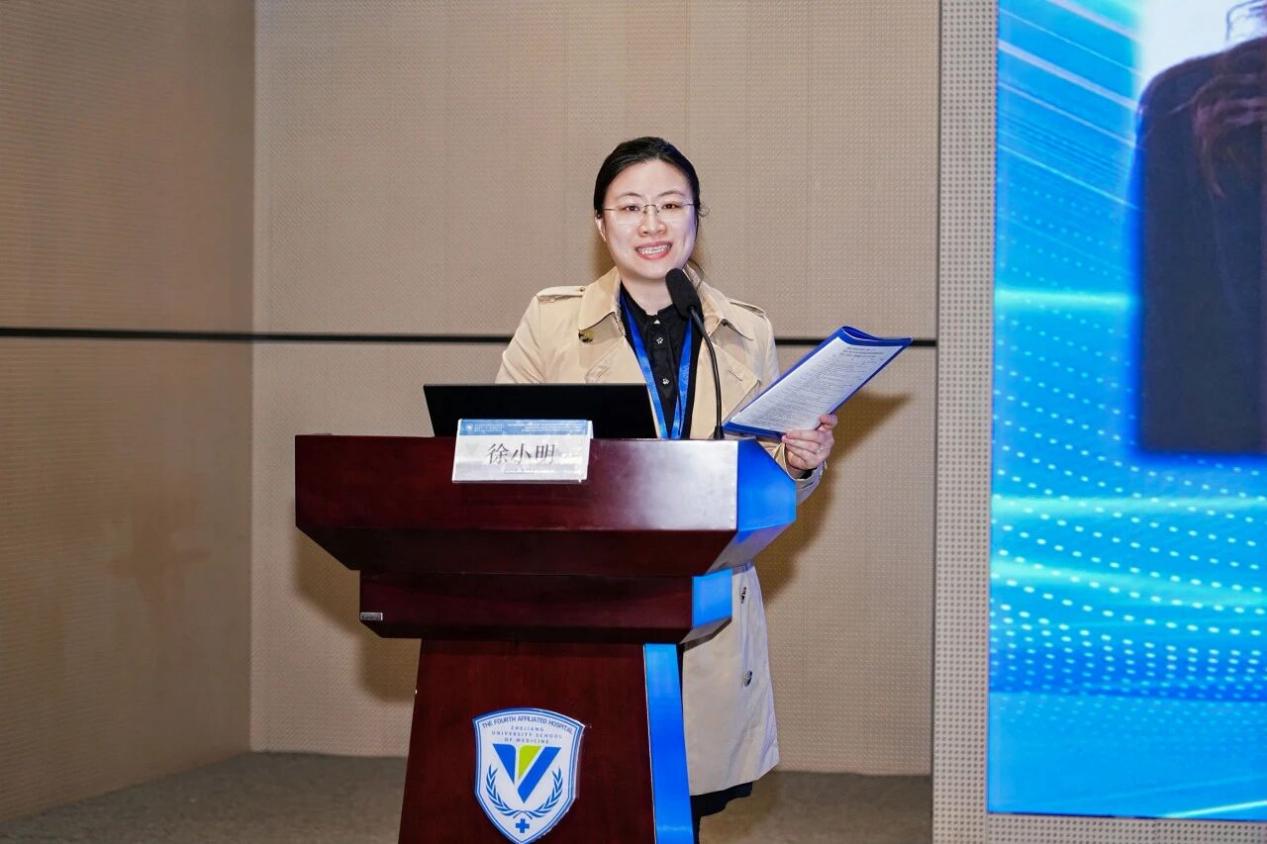
▲ Xu Xiaoming's speech
As the research mentor for several students who gave presentations, Associate Researcher Wu Yibo shared his feelings and insights. He stated that serving as a research mentor for undergraduate students is a journey of mutual growth and achievement with young scholars, a role that has given him a sense of value far exceeding academic guidance itself. Interacting with young students has also given him new perspectives; the collision of ideas from different cultural backgrounds often sparks unexpected innovative inspiration, making academic guidance a two-way exchange of knowledge and intellectual resonance. The research mentorship system is an important part of the college's international talent cultivation. Accompanying these international youths on their first steps in their academic careers and helping them grow into researchers with both international vision and humanistic spirit is the most valuable reward for a mentor.
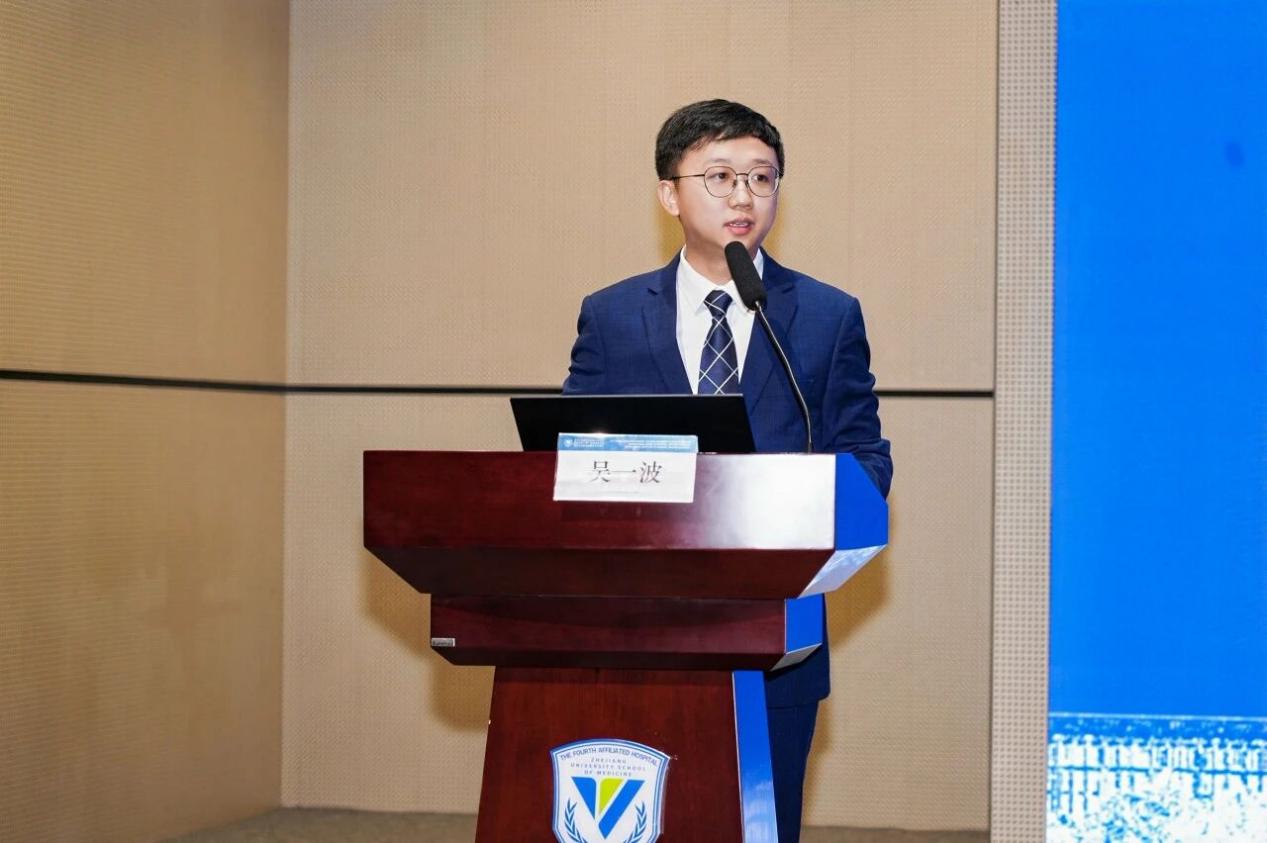
▲ Wu Yibo'sspeech
This conference was hosted by the China Medical Education Association and co-organized by the Behavioral Epidemiology Education Working Committee of the China Medical Education Association, the Fourth Affiliated Hospital of Zhejiang University School of Medicine, and International School of Medicine, Zhejiang University. With "Data Sharing, Interdisciplinary Integration, and Empowering Health" as its core theme, the conference presented the interim results of the Chinese Residents' Psychological and Behavioral Survey (PBICR) through various formats including main forum reports, sub-forum discussions, new book launches, and the launch of a public welfare talent training program. It focused on cutting-edge topics such as nurses' psychological and behavioral cohort studies, digital health interventions, and AI-enabled chronic disease management, providing an important platform for academic exchange and cooperation in the field of psychological and behavioral research.
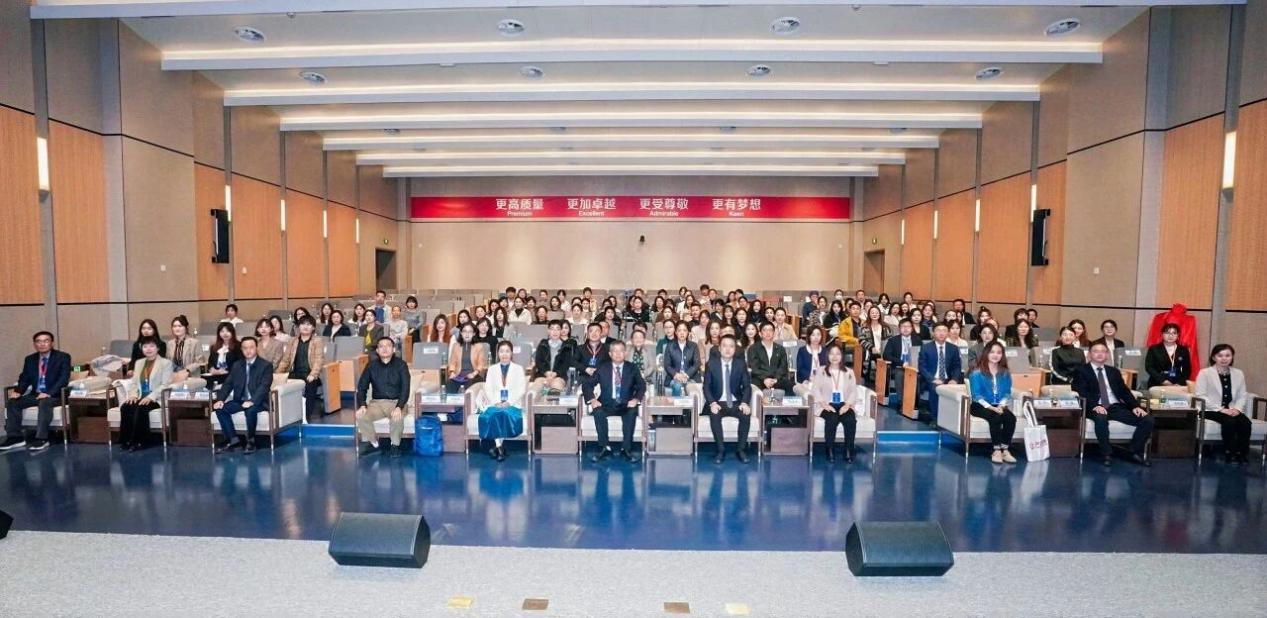
▲Group photo of the conference