Since the launch of the MBBS program at Zhejiang University, it has trained over 800 medical students from around the world. Today, these alumni have brought advanced knowledge and skills learned in China back to their home countries, serving as key players in their local health systems while actively bridging medical and cultural exchanges between China and the world.
From July 29 to August 6, 2025, the “Zhiyuan” International Social Practice Team arrived in Mauritius—the second stop of their overseas journey—to reconnect with alumni, visit hospitals, and explore the rich intersections of medicine, education, and culture.
1. Once a ZJUer, Always a ZJUer
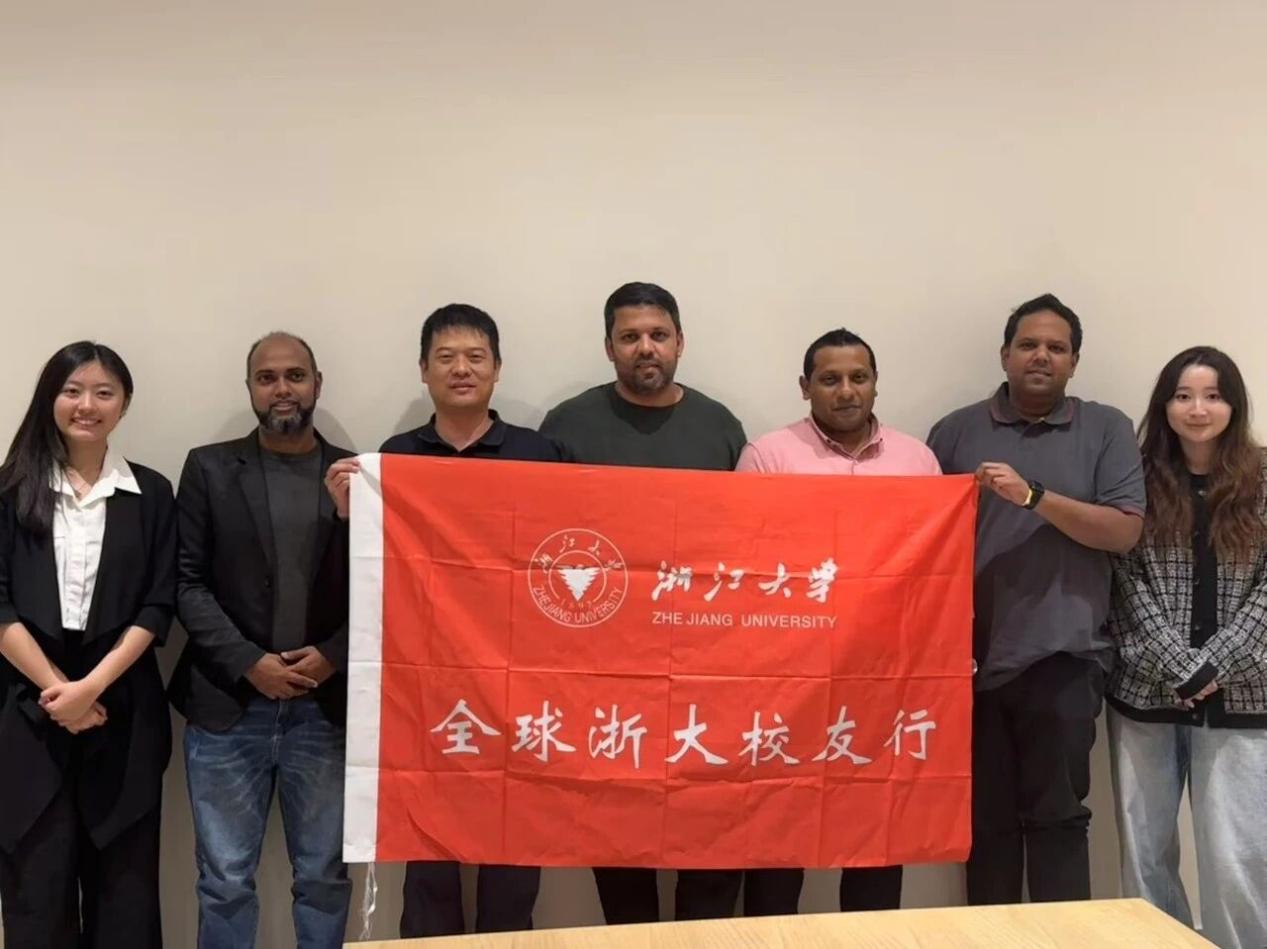
“A warm welcome to you all! My time at Zhejiang University was the most important chapter of my life—I still cherish it deeply. It’s so wonderful to see you!” Graduates from the MBBS program—Edoo Muhammad Ibrahim Alhadi (2013) , Bauccha Nawfar Ahmad (2013) , CHOOAH Outesh (2015) , and Wasil Peeroo (2016) —are now key physicians at their respective hospitals. They still speak fluent Chinese and fondly recall their student days in Hangzhou.
“Compared to China, Mauritius has fewer patients and the equipment is underutilized. Without the solid foundation I gained at ZJU, I doubt I could have adapted to such a different system.”
“Even now, practicing medicine in Mauritius, I still revisit my ZJU lecture notes. That’s where my career truly began.”
“What I remember most vividly is Professor Zhang Xiaoming’s anatomy class—meticulous, rigorous, and always connecting theory with clinical cases.”
Years after graduation, the mention of “Zhejiang University” still lights up their eyes. For them, ZJU not only shaped their professional competence but also left a deep imprint on their values and career aspirations.
2. Exploring the Local Healthcare System — Learning from Each Other
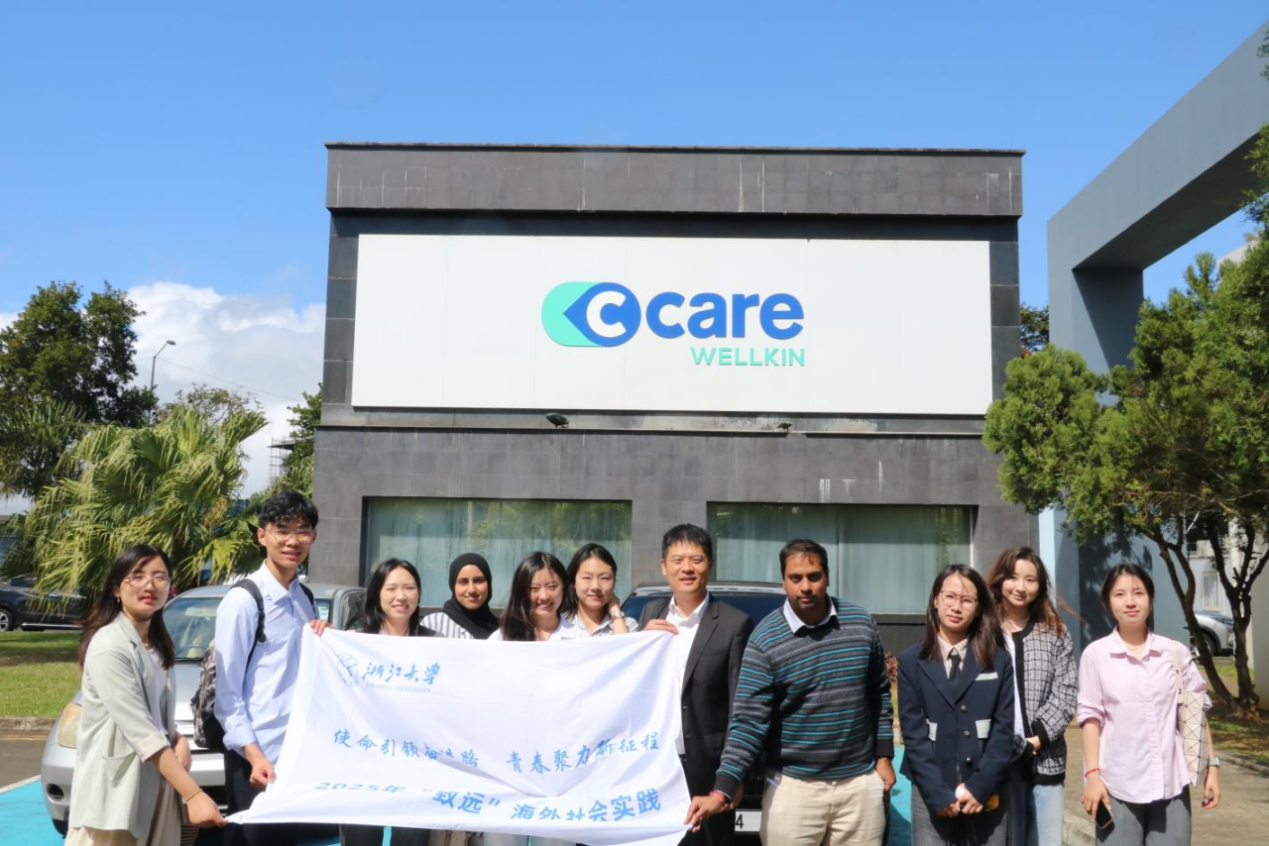
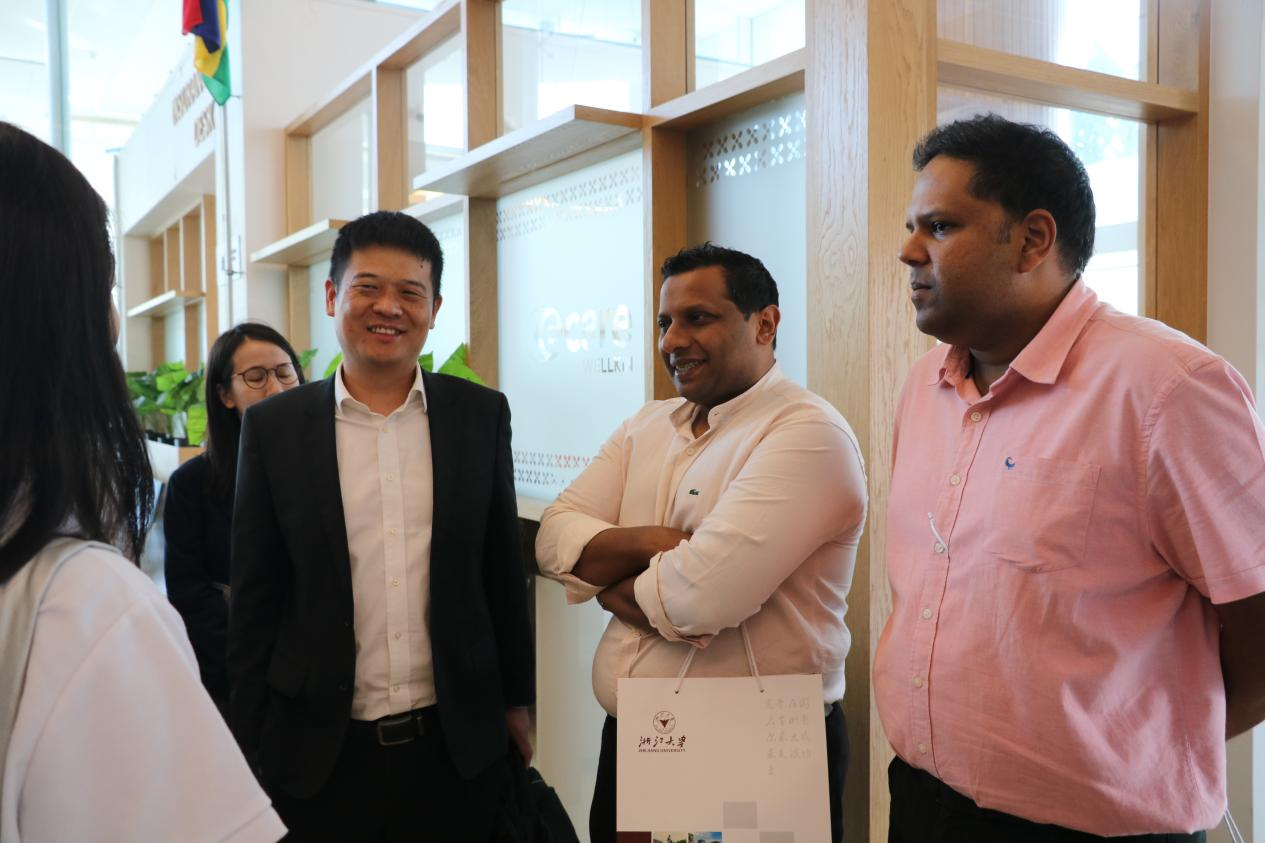
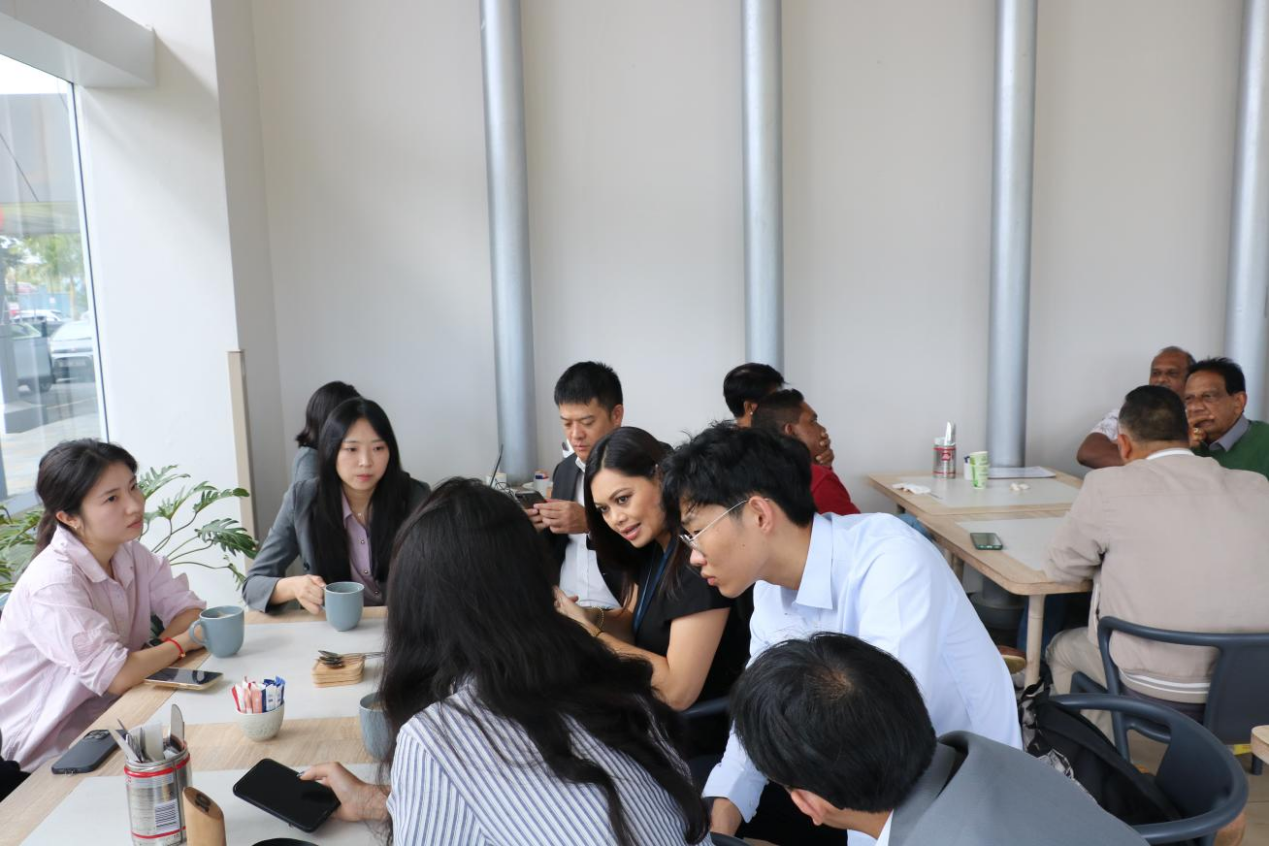
Mutual understanding is the foundation of collaboration. To gain a clearer picture of Mauritius’s healthcare system, the practice team visited three major public hospitals—Sir Seewoosagur Ramgoolam National Hospital (SSRN) , Sir Anerood Jugnauth Hospital (SAJ) , and Victoria Hospital—as well as the largest private hospital, C Care Welkin. Each hospital extended a warm welcome to the delegation.
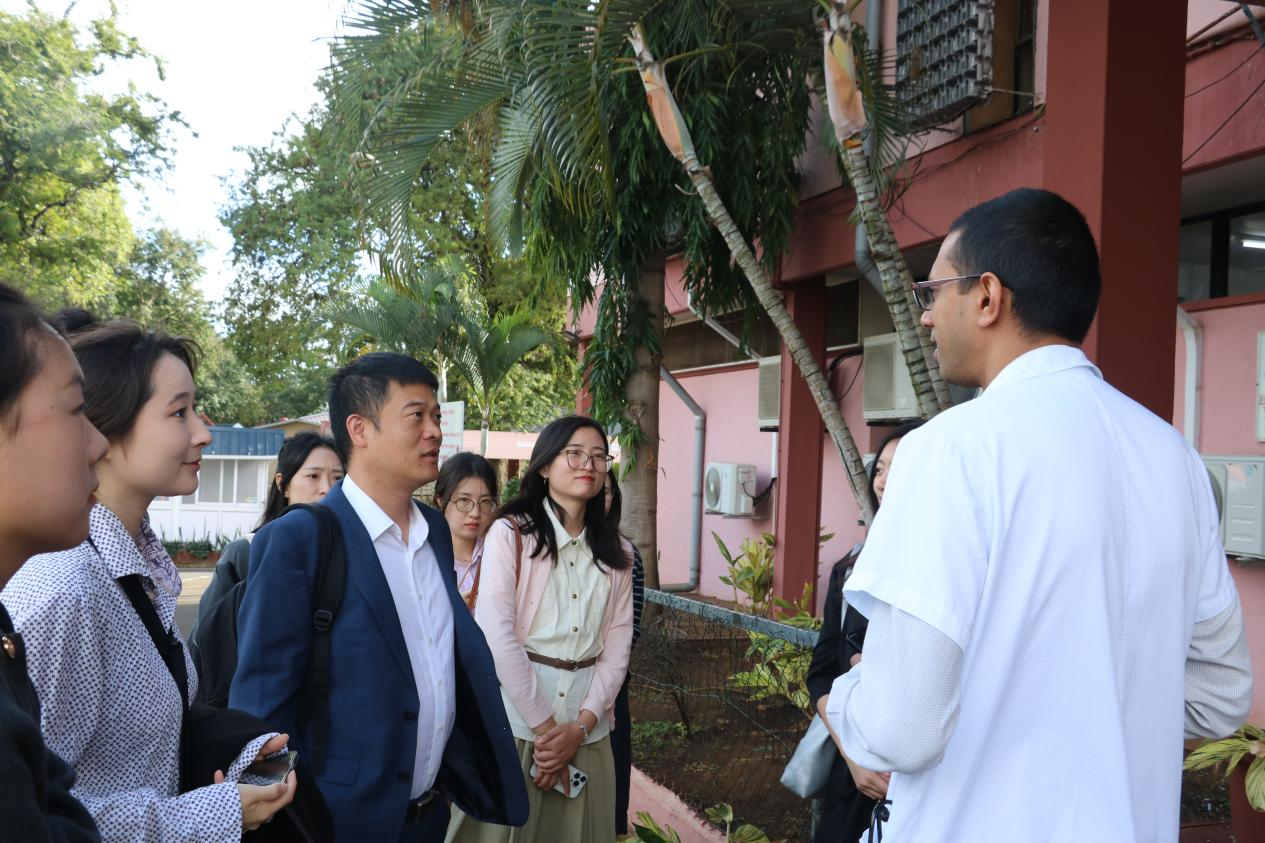
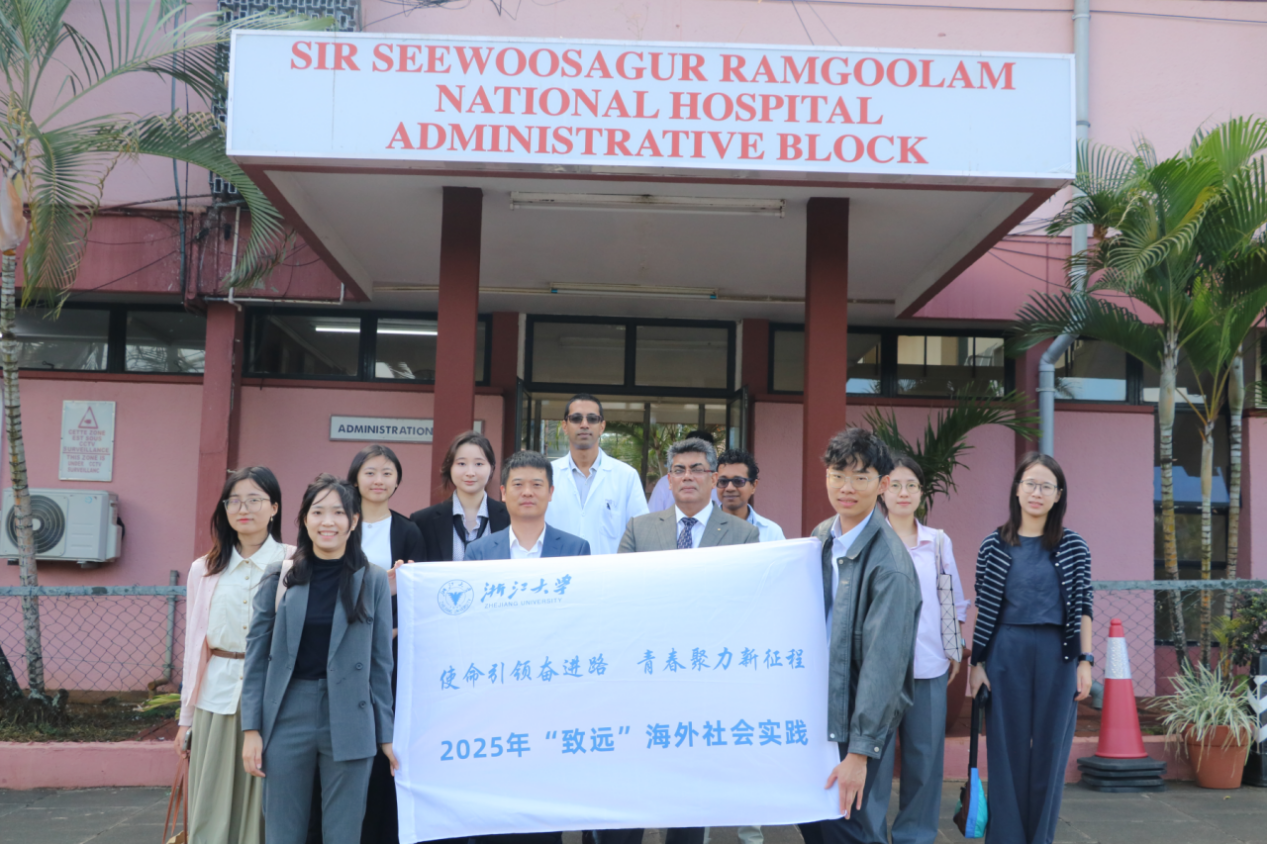
Unlike China’s healthcare system, public hospitals in Mauritius provide completely free medical services. In cases where local treatment is not available, the government may sponsor patients to seek care abroad or invite overseas specialists to Mauritius—at no cost to the patient. This model highlights the strengths of public welfare and international collaboration. However, it also leads to resource strain and financial pressure. Public hospitals are often overcrowded, with some patients treating them as walk-in clinics for minor ailments. Due to budget constraints, many facilities suffer from outdated equipment, aging infrastructure, and staff shortages.
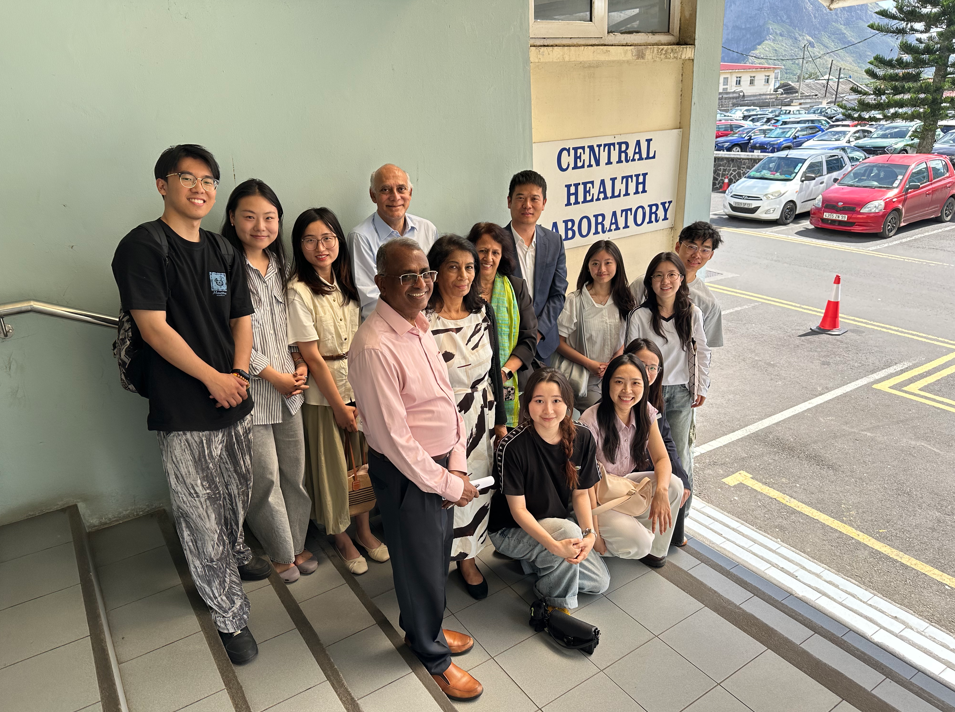
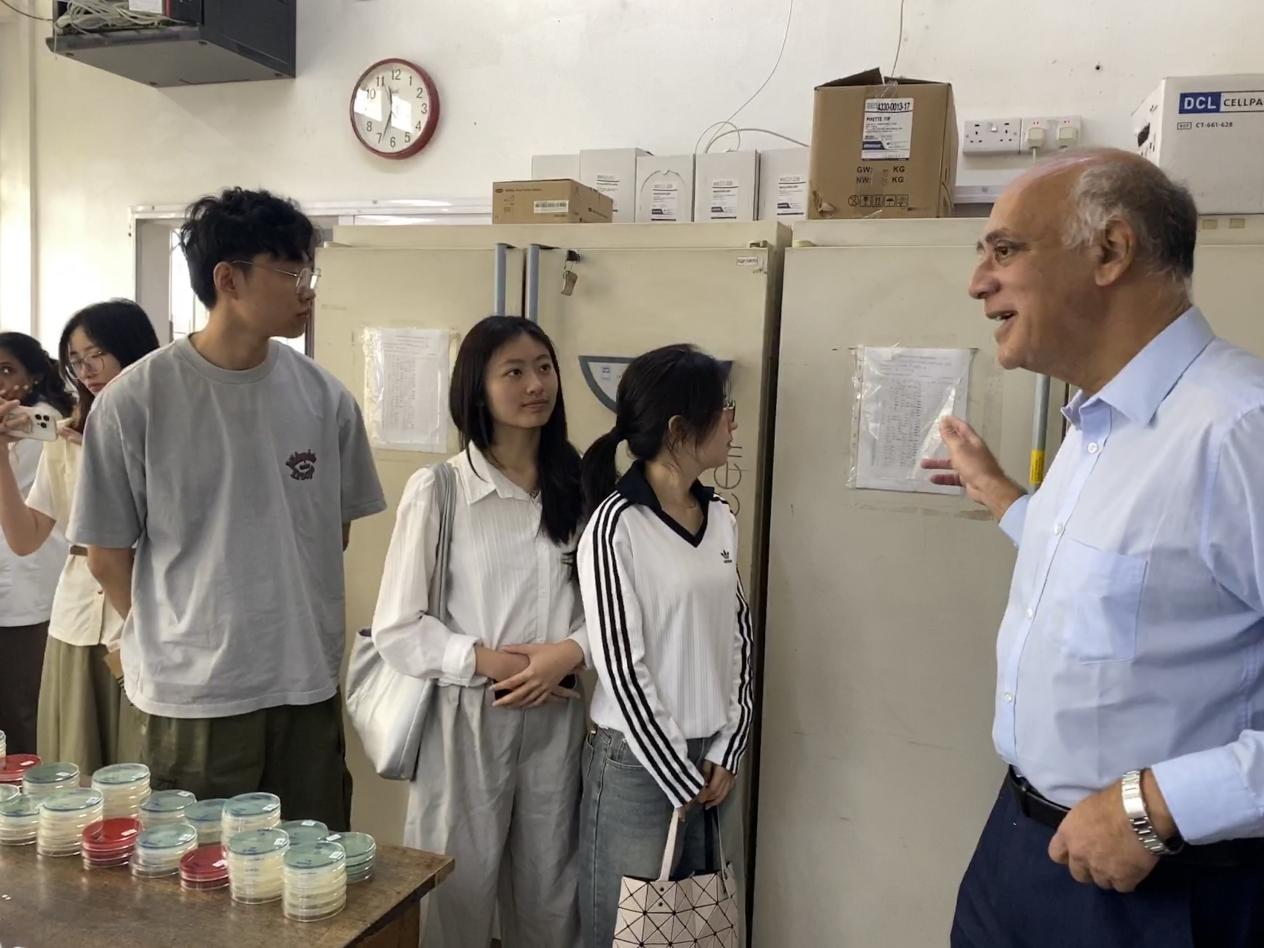
In contrast, private hospitals charge higher fees but offer spacious wards, advanced medical equipment, and sufficient personnel. A trend toward consolidation is already underway, and it is expected that private providers will continue concentrating high-quality resources, potentially further straining the public sector.
3 Immersive Cultural Engagement — Witnessing Sino-African Cultural Exchange
“State-to-state relations thrive on mutual trust between peoples, which in turn grows from heart-to-heart communication.” In Mauritius, the team experienced firsthand the depth of China’s major-country diplomacy and the global appeal of Chinese culture. Chinese characters are visible everywhere, and local communities widely embrace the achievements of Sino-Mauritian cultural exchange.
Dr. K. S. Sukon, Minister of Education, Science and Technology of Mauritius, noted during his meeting with the team that the number of Mauritian students pursuing higher education in China—especially in medicine, engineering, and IT—has grown significantly. Chinese universities, he said, are now a top choice for their “strong practical training and affordable costs”.
Yang Jun, Cultural Counselor of the Chinese Embassy in Mauritius and Director of the China Cultural Centre, emphasized that the Centre serves as a vital platform for bilateral cultural cooperation, offering year-round courses in Chinese, calligraphy, tai chi, erhu, and kite-making. Over the past year, it has hosted more than 60 cultural events, all well received by the local community.
Professor Yang Fang, Chinese Director of the Confucius Institute at the University of Mauritius, and her Mauritian counterpart Dr. Naraindra Kistamah spoke with great familiarity about the steady progress in Chinese language education and cultural outreach.
Representatives from two international education consultancies—Campus Abroad Mauritius and Overseas Education Centre—praised the quality of Chinese higher education, noting that they refer hundreds of students to Chinese universities each year.
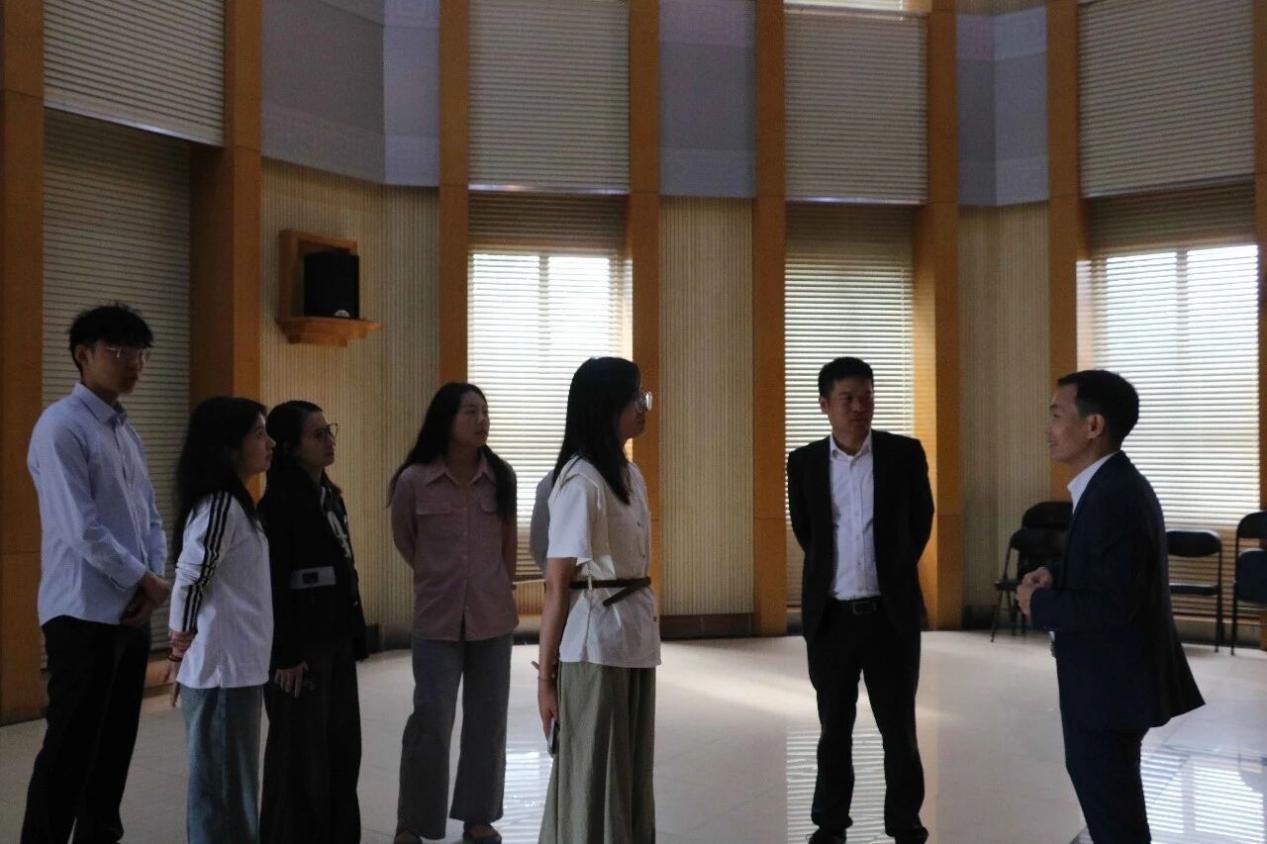
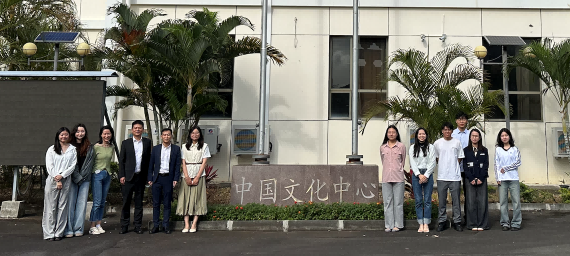
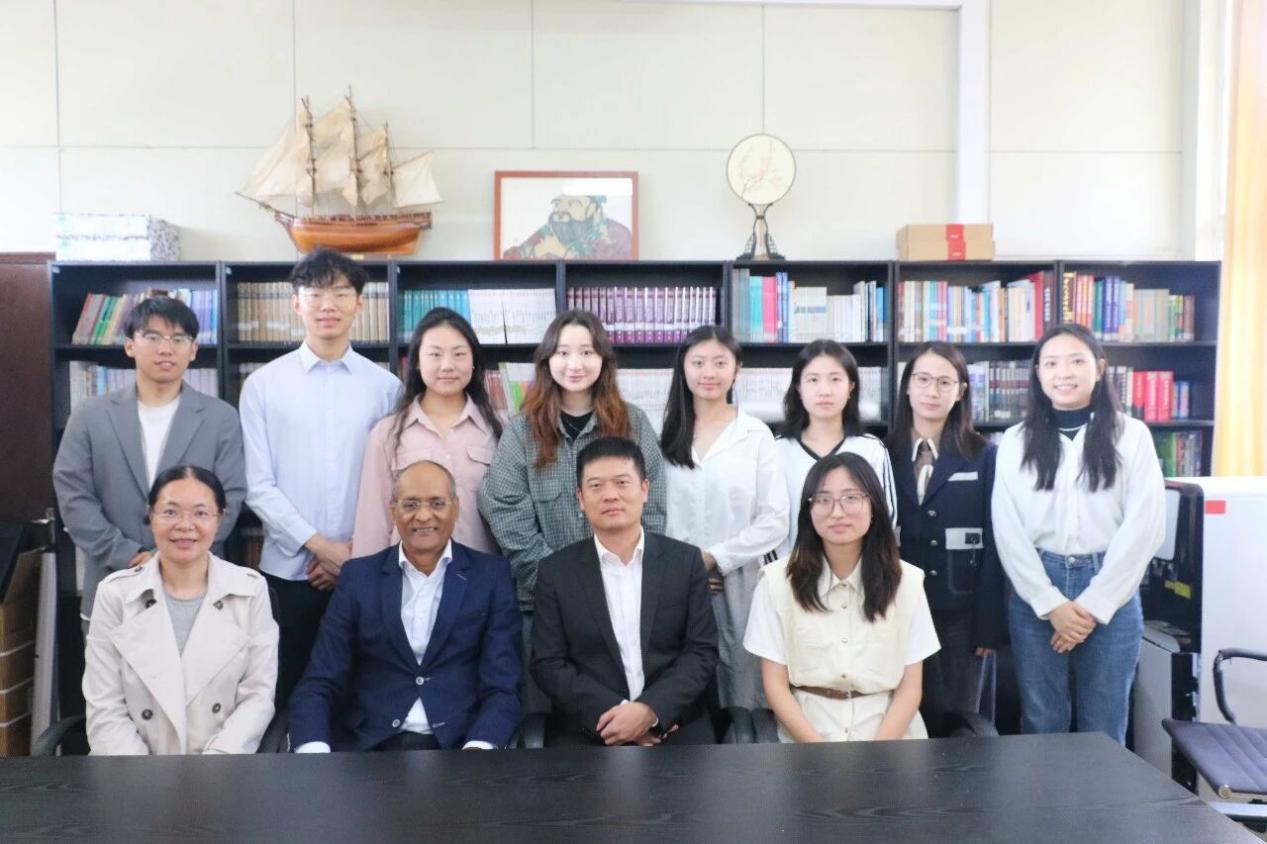
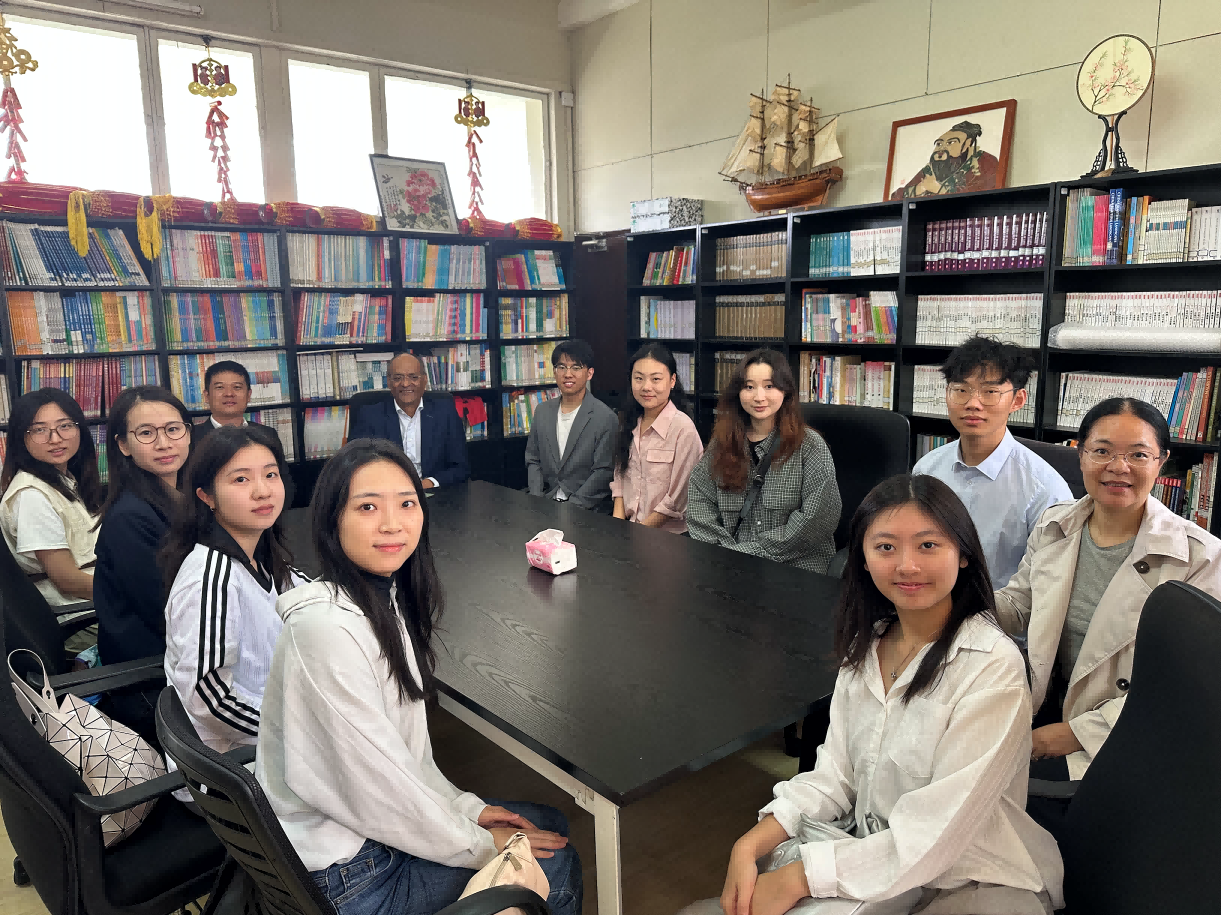
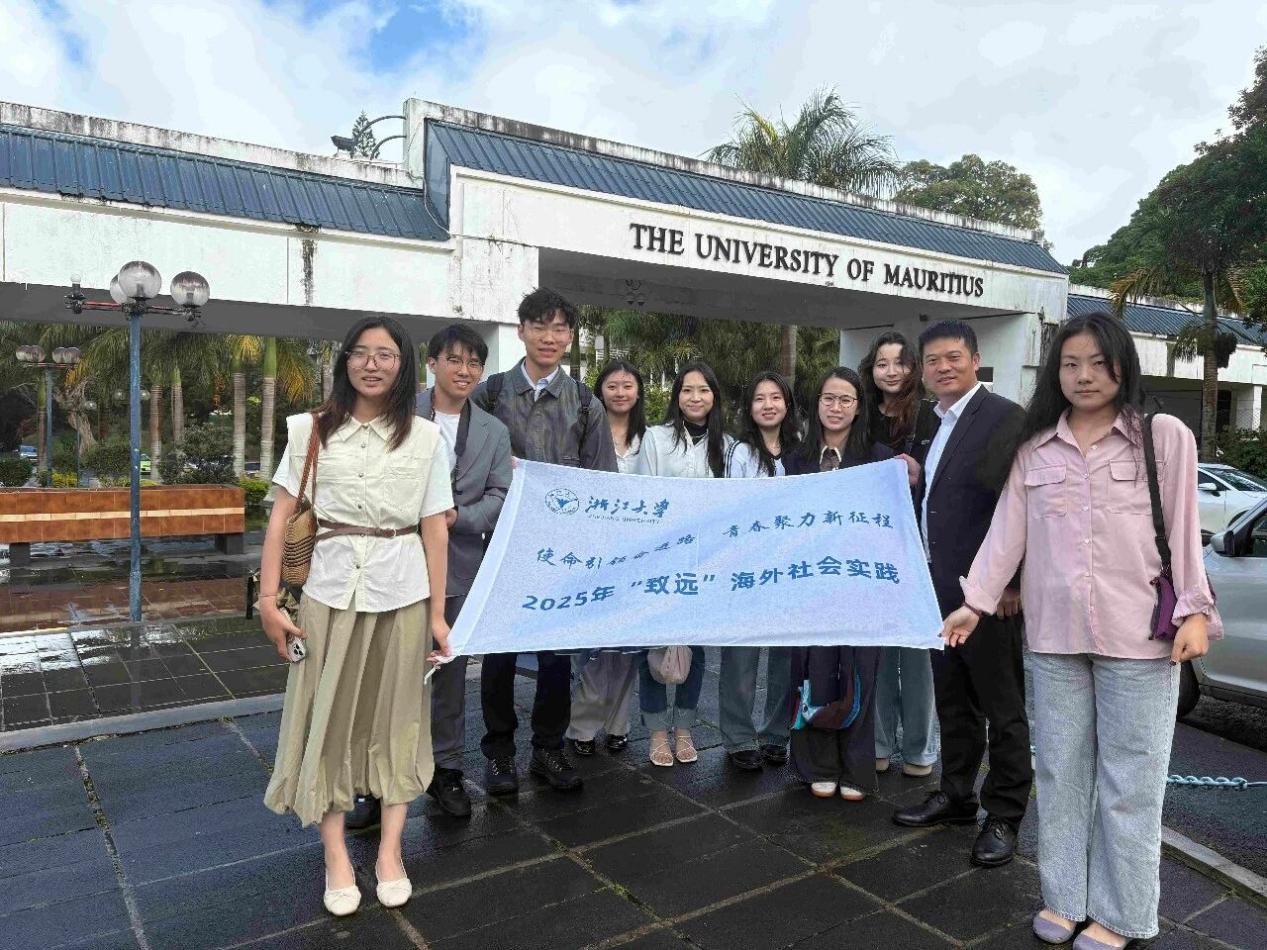
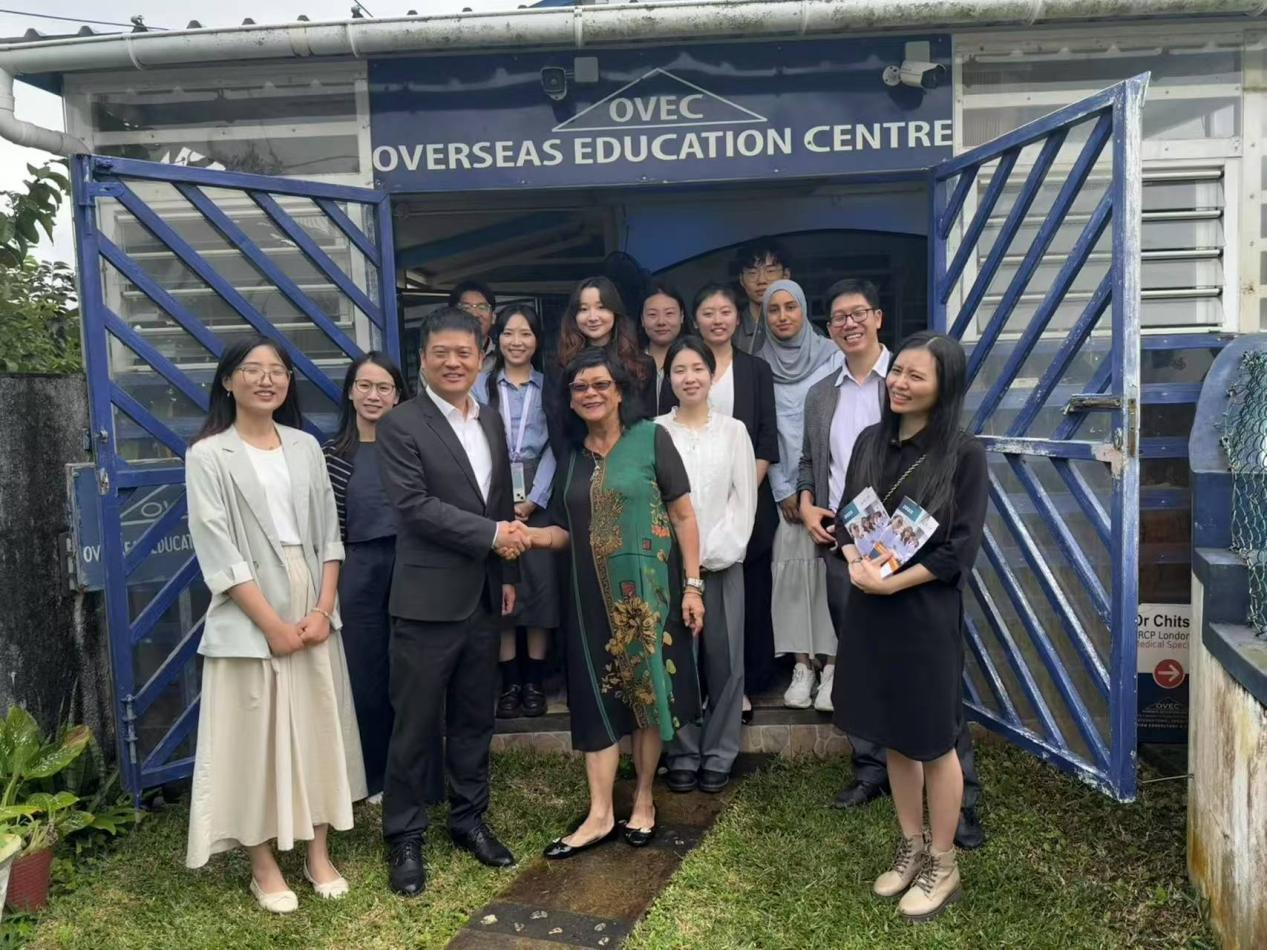
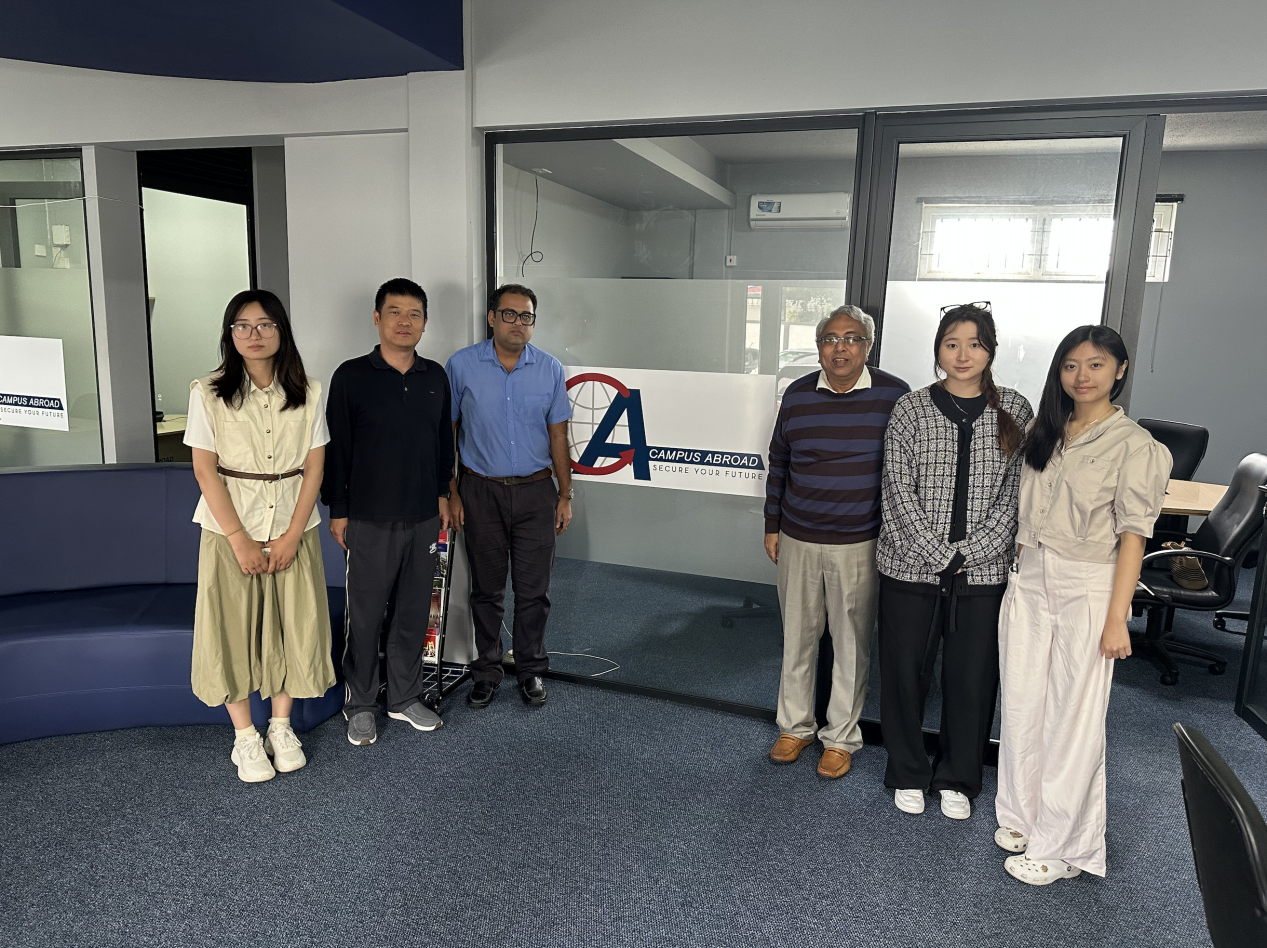
Against the backdrop of the Belt and Road Initiative, Sino-African cultural exchanges have advanced rapidly, and medical cooperation is right on track. This social practice trip has laid a solid foundation for further strengthening medical exchange between China and Africa and for attracting more high-caliber international students to Zhejiang University.